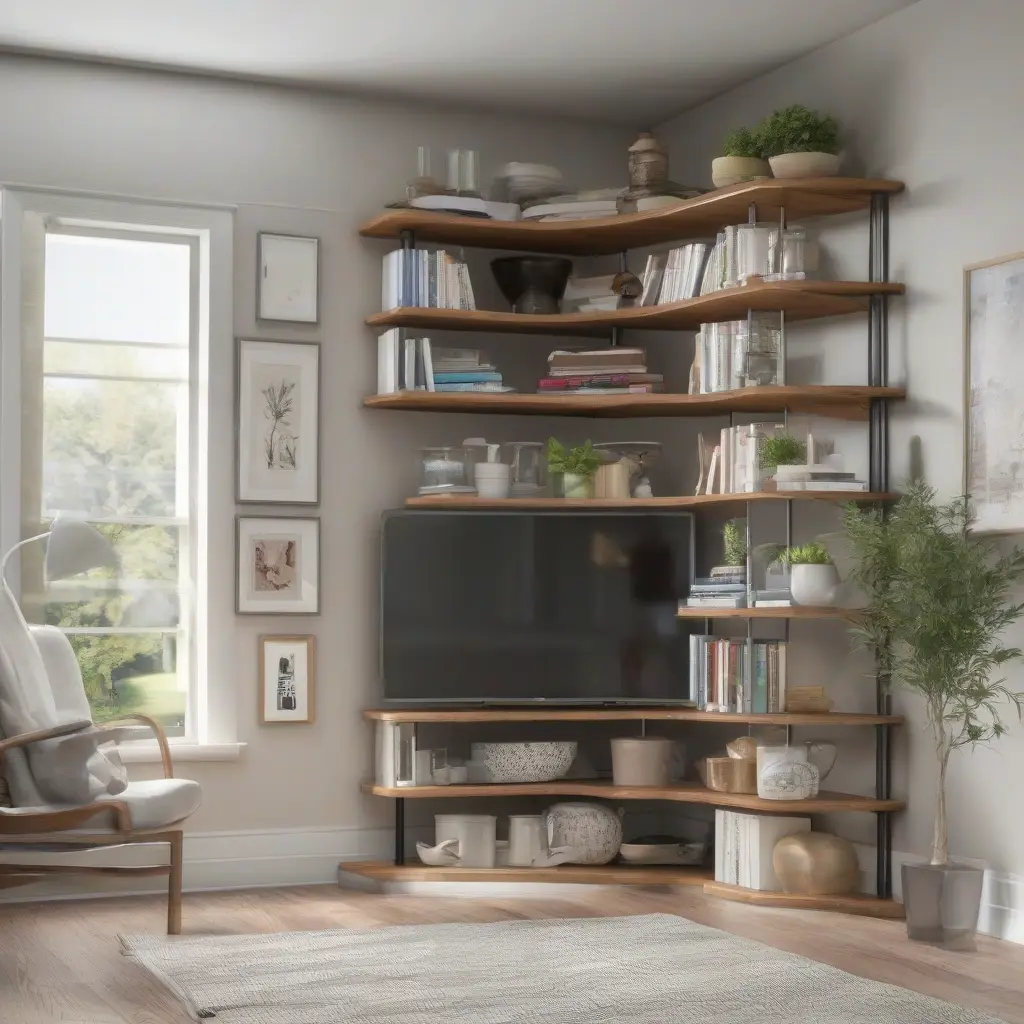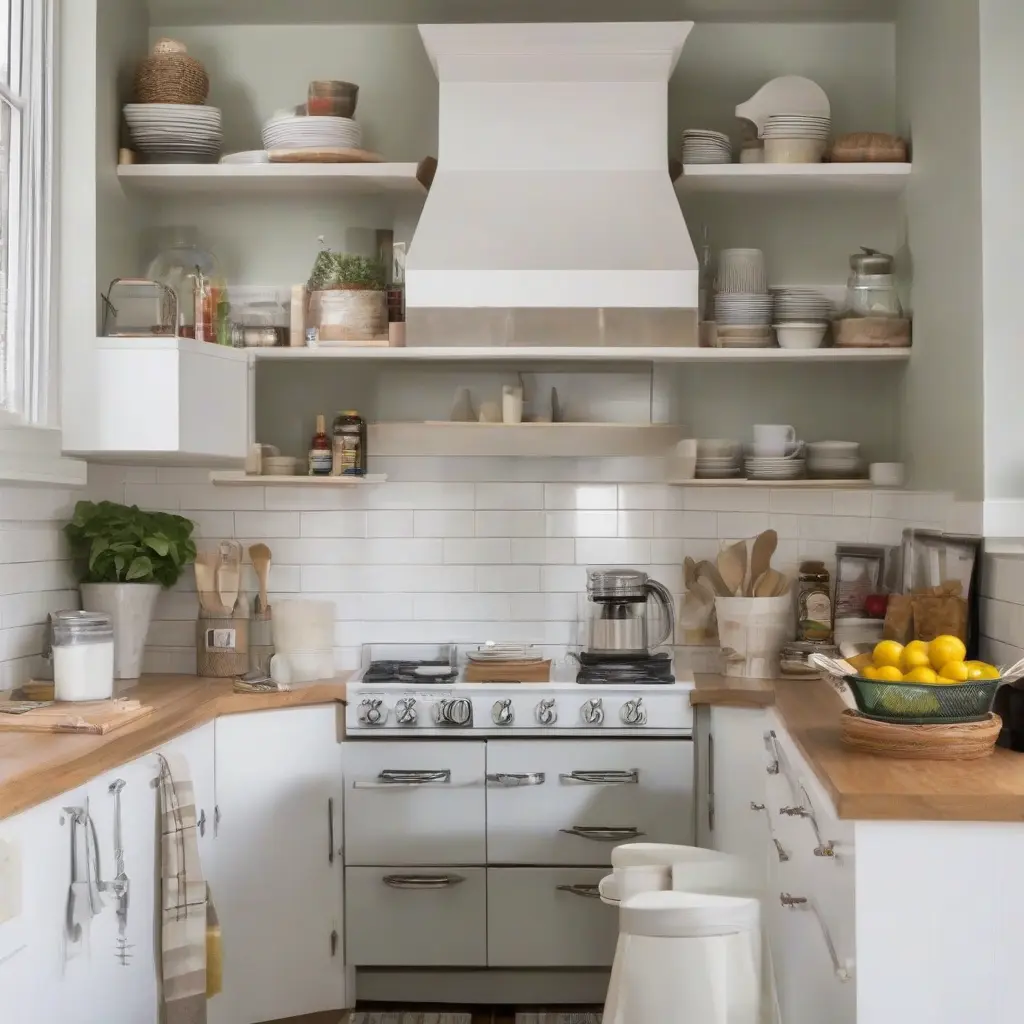
Installing corner shelves in your kitchen can significantly enhance both functionality and aesthetic appeal. These practical additions not only maximize often-overlooked spaces but also provide an opportunity to showcase décor items and kitchen essentials. This guide will delve into the benefits of corner shelves, the types available, tools required for installation, and step-by-step instructions to ensure a seamless process. Whether you’re a DIY enthusiast or a beginner, these insights will help you transform your kitchen effectively.
Benefits of Corner Shelves in Your Kitchen
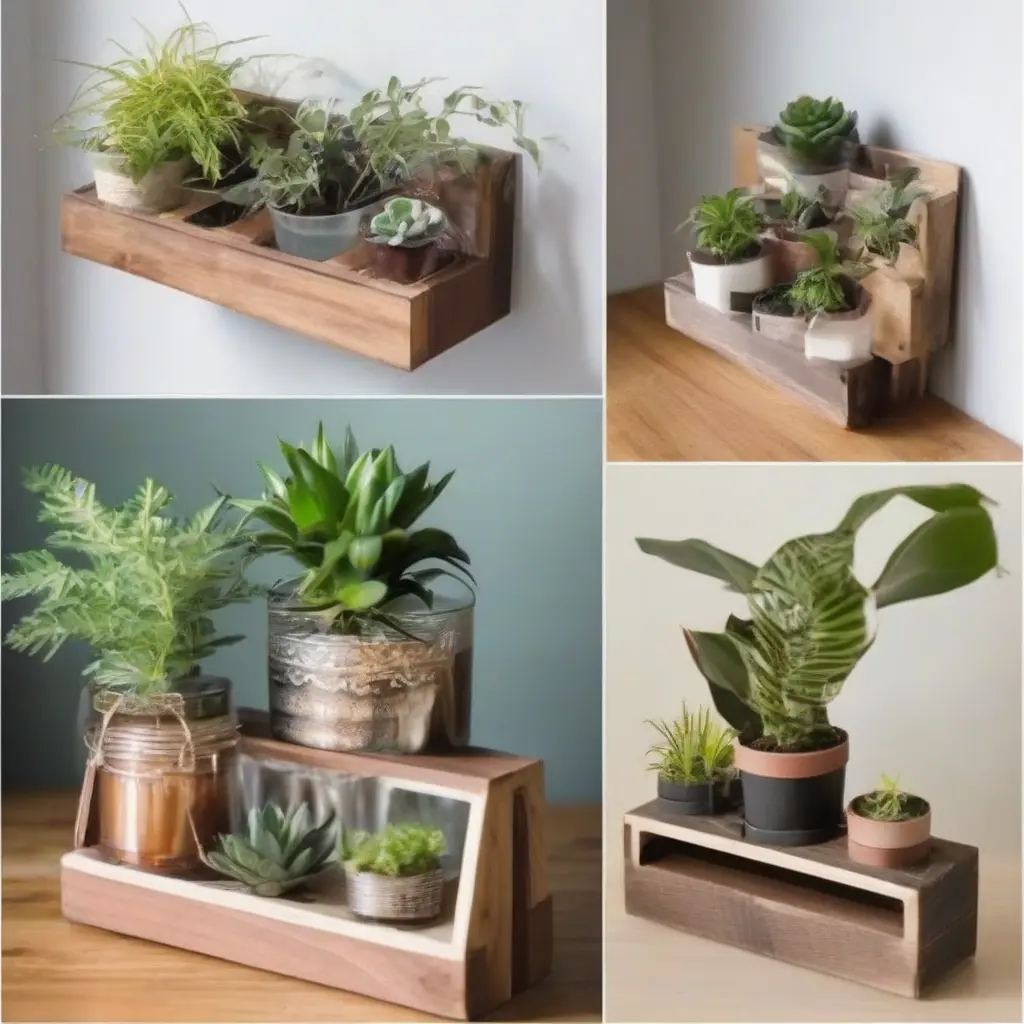
Corner shelves offer multiple advantages for kitchen organization and design. They efficiently utilize space that usually goes unused, allowing you to store cookbooks, herbs, and other kitchen essentials without taking up valuable wall space. Moreover, they add an attractive focal point to your kitchen, enabling you to display decorative items or plants that can enhance the overall aesthetic. Additionally, corner shelving can break up the monotony of flat walls, contributing to a more dynamic and visually appealing environment.
Types of Corner Shelves
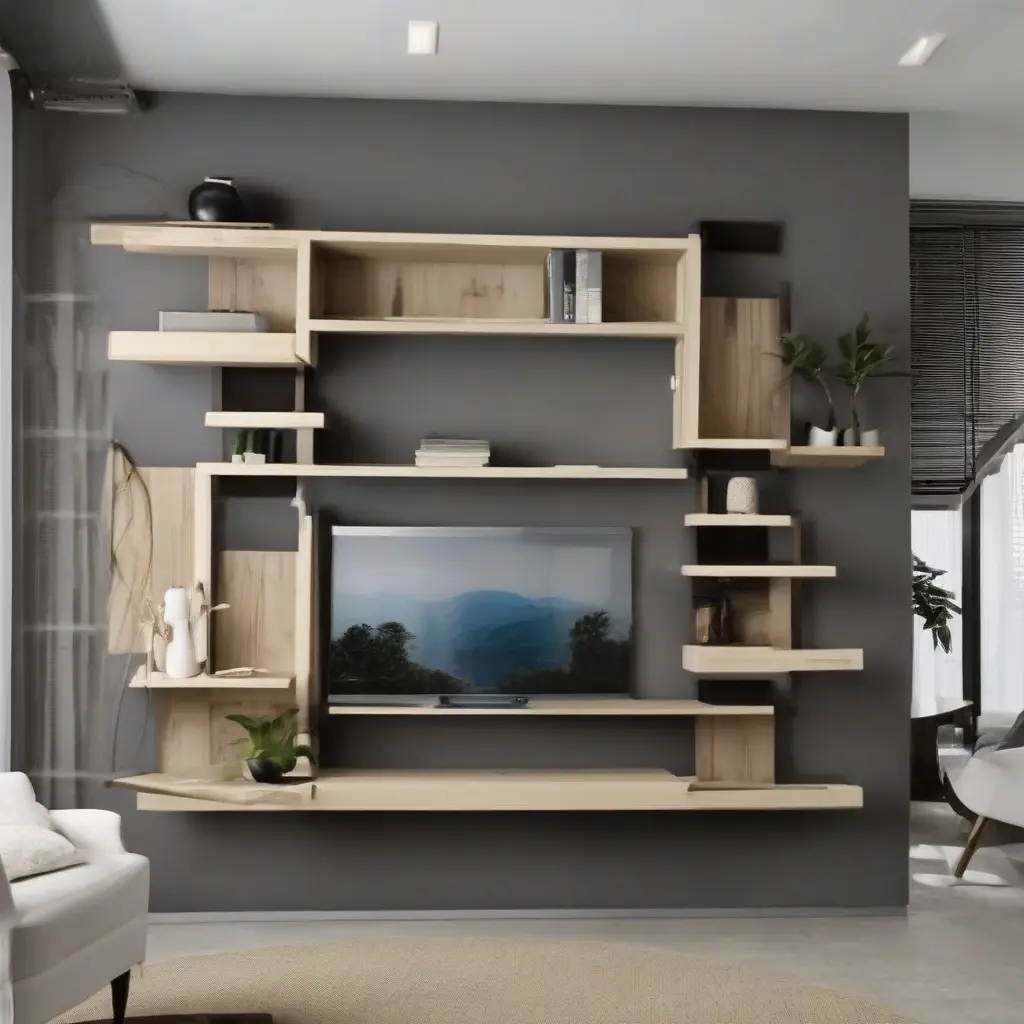
There are various types of corner shelves tailored to different styles and needs, each made from materials like wood, metal, or glass. For instance, floating corner shelves provide a sleek, modern look, while tiered corner shelves offer additional storage levels. Each type varies in terms of sturdiness and design; floating shelves, for example, are great for a minimalist aesthetic, while tiered shelves can accommodate heavier items. Consider your kitchen’s existing décor and functionality requirements when selecting the appropriate style.
Tools Required for Installation
Before you begin the installation of corner shelves, gather all necessary tools to ensure a smooth process. Common tools include a stud finder, level, measuring tape, drill, and screws specific to your shelf material. If you’re opting for floating shelves, wall brackets or supports may also be required. Having the right tools not only saves time but also helps in achieving precise measurements and installations, which are critical for both functionality and safety.
Measuring and Planning Your Corner Shelf Installation
Careful measurement is crucial for the successful installation of corner shelves. Begin by determining the desired height and width of your shelves, making sure not to obstruct any existing appliances or fixtures. Use a measuring tape to mark the wall where the shelves will be placed. It’s advisable to sketch out a plan, including where brackets or supports will be positioned, which will serve as a guide during installation. Accurate planning can minimize errors and ensure that your shelves are both functional and visually pleasing.
Installing Floating Corner Shelves
To install floating corner shelves, start by finding the wall studs, marking their location with a pencil. Next, level the bracket or support system on the wall and drill pilot holes into the studs. Secure the brackets in place and ensure that they are level before attaching the shelves. Carefully place the shelves onto the brackets, checking once more for levelness. This type of installation offers a sleek appearance, eliminating visible hardware for a clean finish that enhances your kitchen’s design.
Installing Tiered Corner Shelves
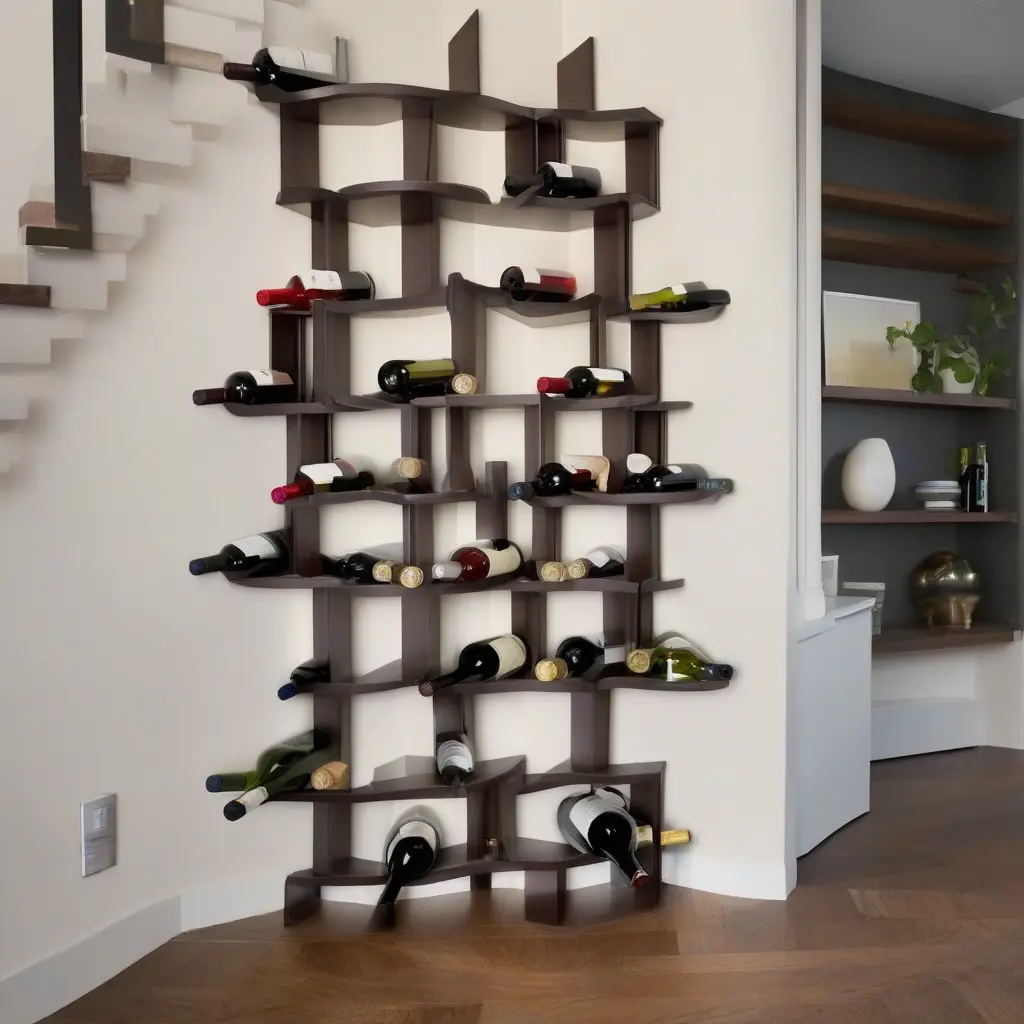
Installing tiered corner shelves requires slightly different steps to cater to the additional levels. Begin by securing the bottom tier using the brackets or supports, ensuring it is level and firmly attached to the wall. Once the first tier is set, measure and mark the positions for the upper tiers, making sure to maintain an even vertical spacing. Secure each subsequent tier in the same manner, and ensure that all levels are evenly aligned, allowing for both visual appeal and practical use.
Designing Your Corner Shelves
Once the shelves are installed, it’s time to think about design and decoration. Start by placing heavier items on lower shelves for stability and lighter decorative pieces on higher tiers. Incorporate a mix of plants, books, and kitchen essentials to create an inviting look. Consider using decorative baskets for smaller items to maintain a clean and organized appearance. A well-curated display not only maximizes your kitchen storage but also adds character and warmth to the space.
Maintenance Tips for Corner Shelves
Maintaining your corner shelves is essential for both longevity and aesthetics. Regularly dust the shelves and the items displayed to keep them looking fresh and clean. If you notice any sagging or instability, check the supports and brackets to ensure they are securely fastened. It’s also beneficial to rearrange items periodically, as this can prevent wear on specific areas of your shelves and offer a fresh look to your kitchen. Quick maintenance checks can save you time and effort in the long run.
Common Mistakes to Avoid
When installing corner shelves, several common mistakes can undermine your efforts. One of the most frequent errors is failing to locate wall studs, leading to weak shelf support. Additionally, improper measurements can result in uneven shelves that both look unappealing and can affect their usability. Avoid overloading the shelves, as this can cause sagging or even detachment from the wall. Taking time to plan and execute each step carefully can help you avoid these pitfalls, ensuring a successful installation.
Conclusion
Installing corner shelves in your kitchen can greatly improve both functionality and aesthetics. By following careful planning and ensuring the right tools and methods are used, you can create a unique space that reflects your style while maximizing storage. With a range of types to choose from and some design savvy, corner shelves can transform your kitchen into an organized and delightful area.