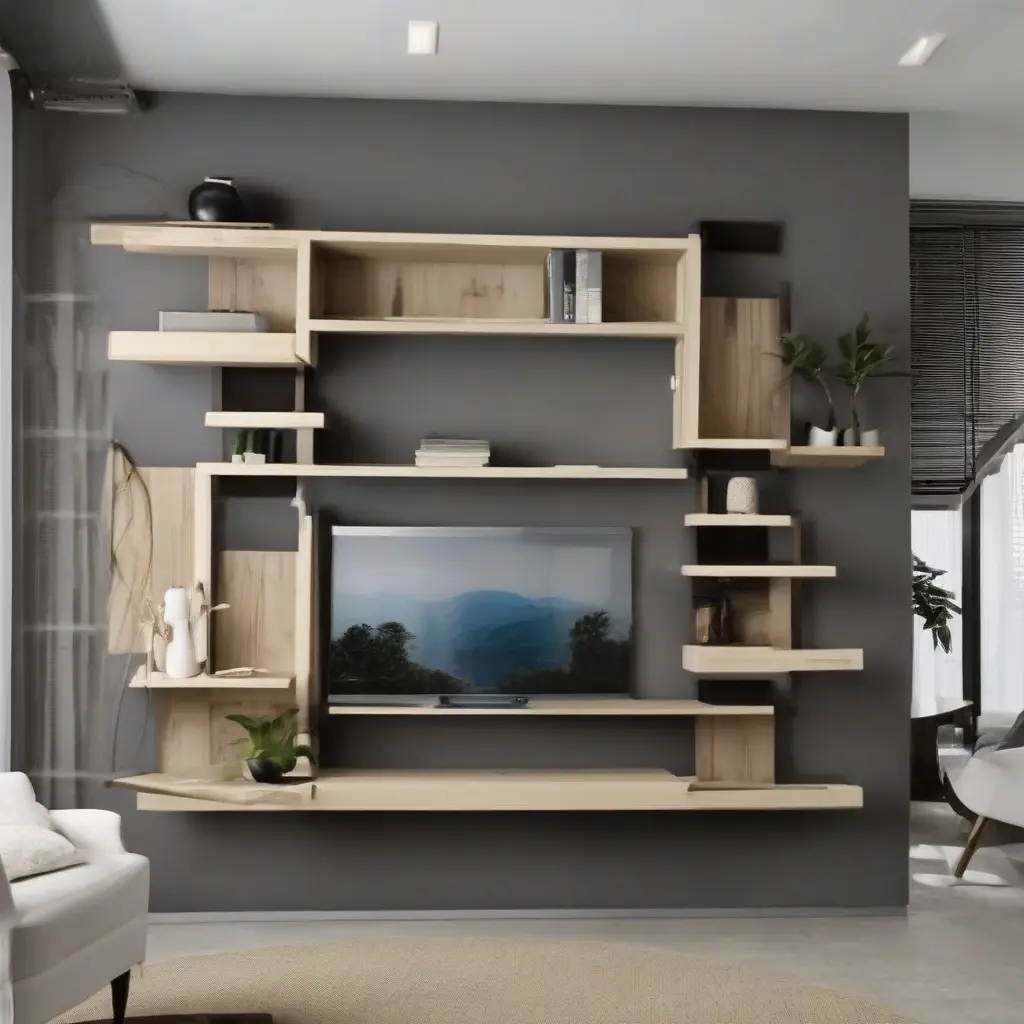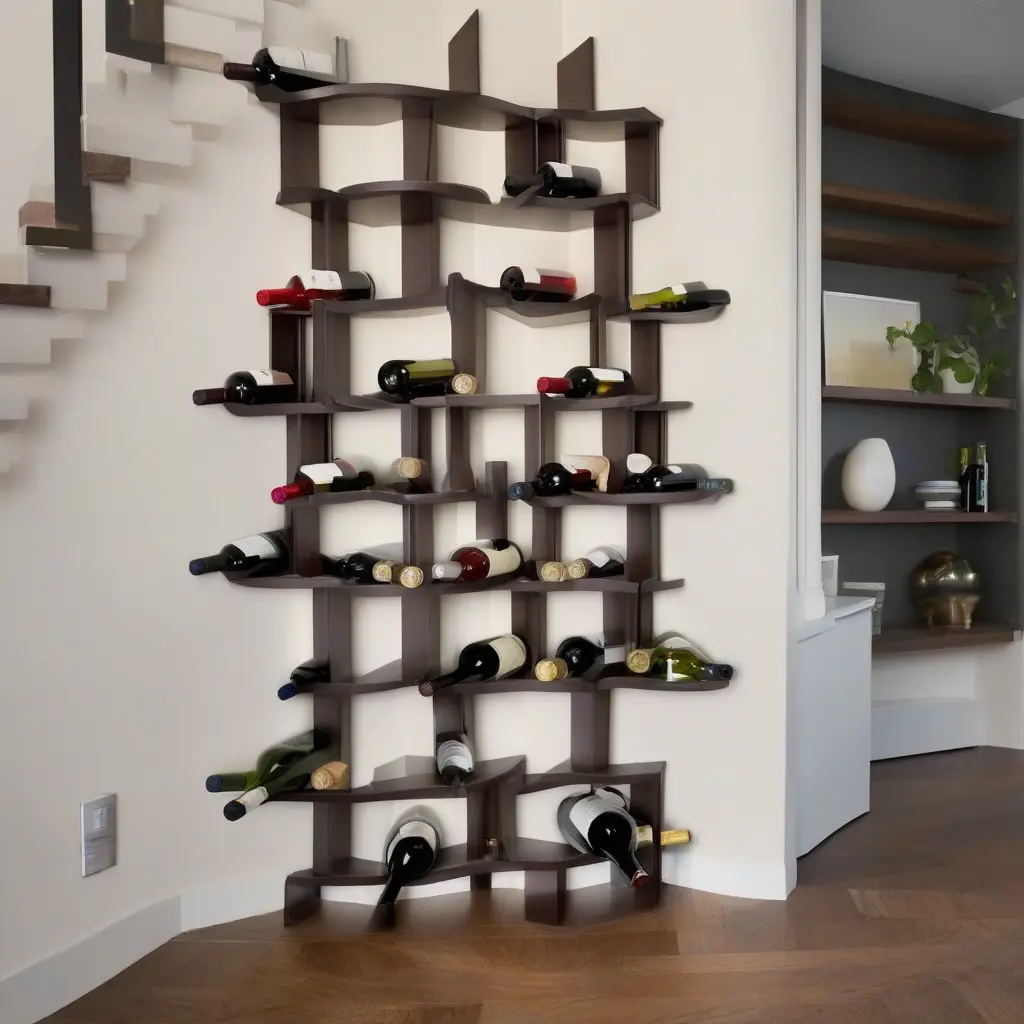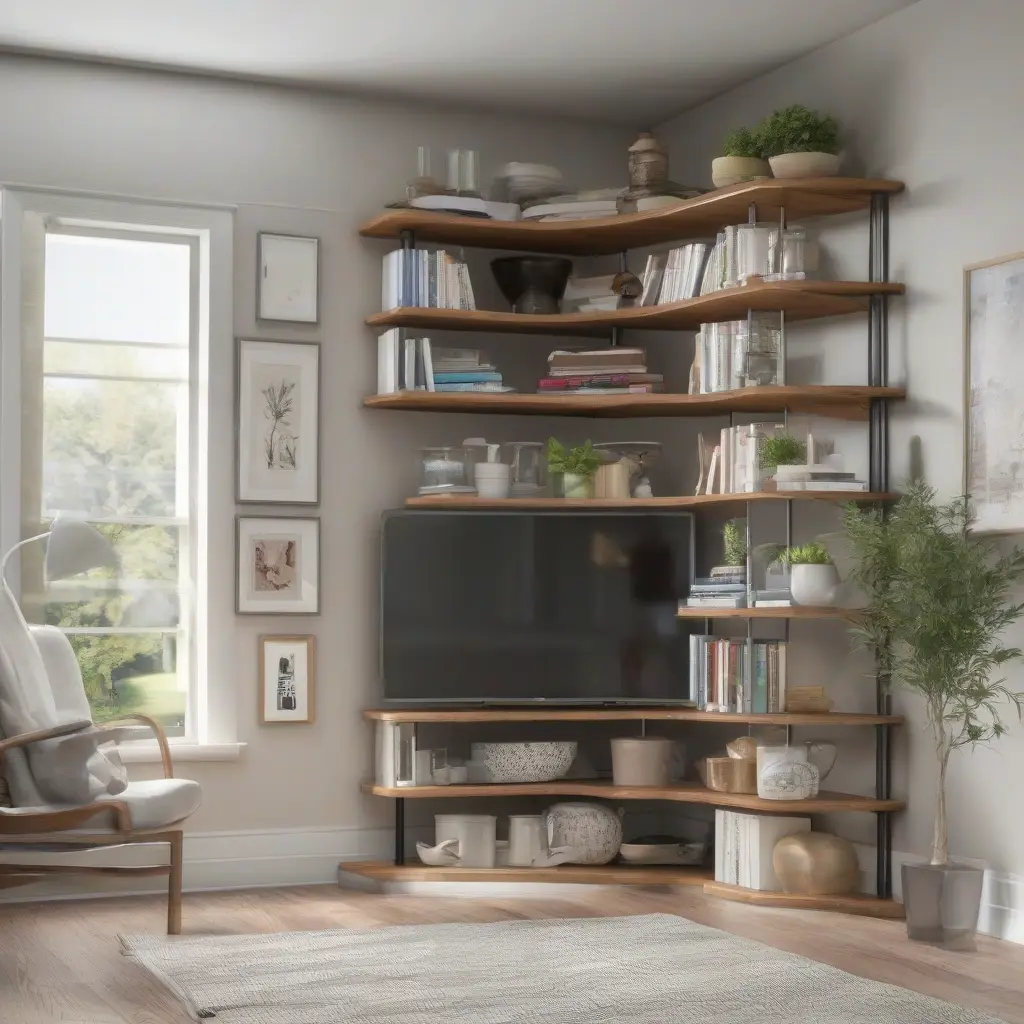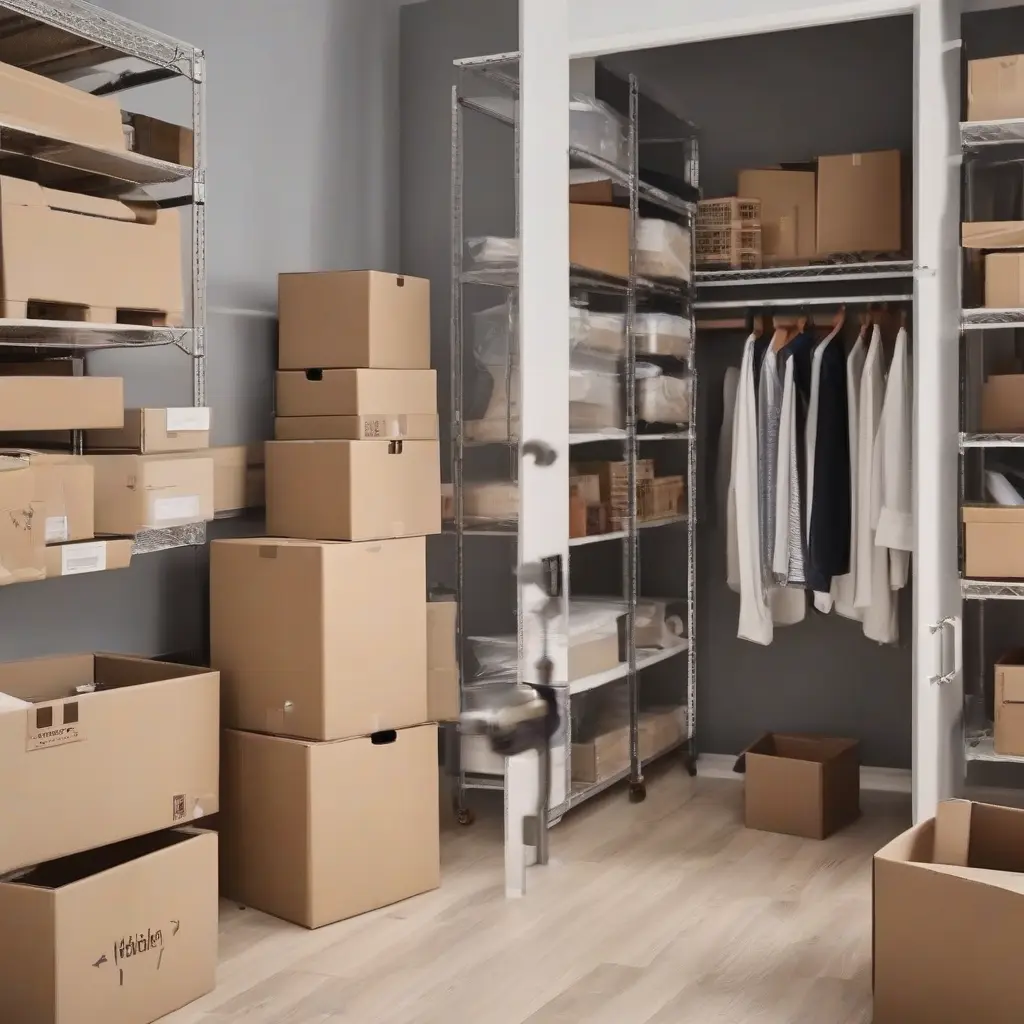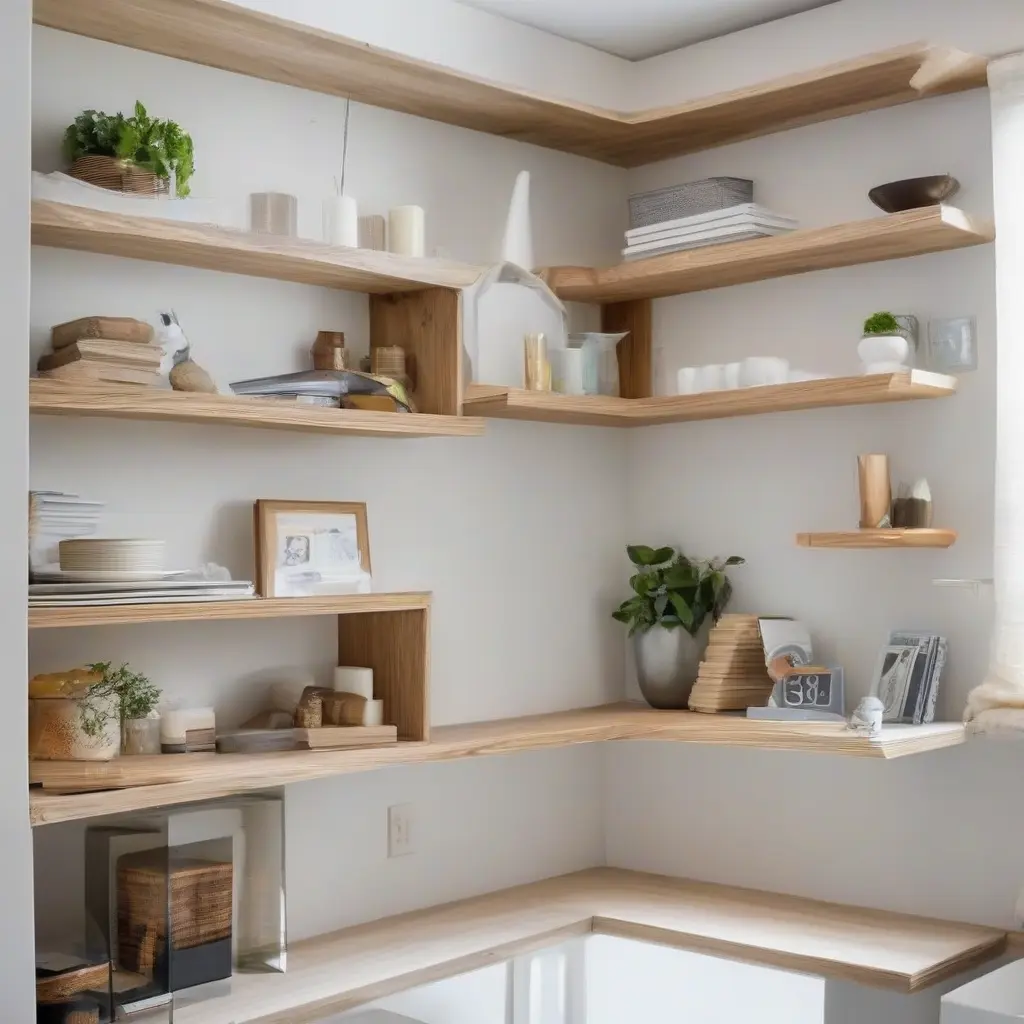
Choosing between floating corner shelves and traditional shelving involves weighing their pros and cons. Floating shelves can enhance aesthetic appeal and save floor space, making them ideal for smaller rooms. On the other hand, traditional shelving often provides more storage capacity and is easy to install. This article will delve deeper into the benefits and drawbacks of each shelving type, helping you make an informed decision for your home.
The Aesthetic Appeal of Floating Corner Shelves
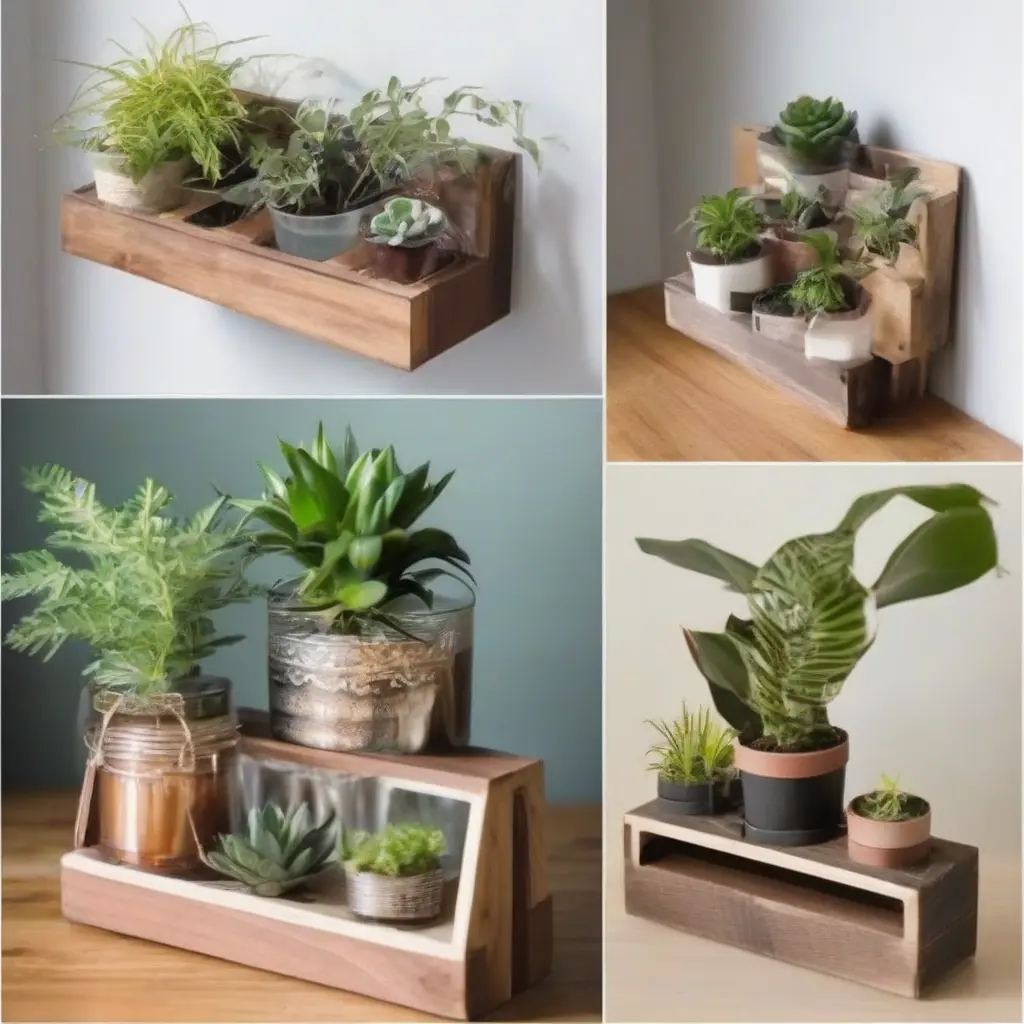
Floating corner shelves offer a modern and sleek design that can enhance the overall aesthetic of any room. Their minimalistic appearance creates the illusion of space, making them particularly effective in small or cluttered areas. Without visible brackets, floating shelves blend seamlessly into walls, showcasing decorative items and plants without drawing attention to the shelf itself. This makes them highly favored in contemporary home design, especially in rooms where a clean and tidy look is desired.
Space-Saving Benefits of Floating Shelves
One of the primary advantages of floating corner shelves is their ability to save floor space. By elevating storage off the ground, these shelves allow for better movement within rooms, particularly in tight corners. This feature is essential in smaller homes or apartments where maximizing square footage is a priority. Floating shelves can also be used to display decorative items without the bulkiness of traditional shelf units, freeing up floor space for other uses.
Installation Considerations for Floating Shelves
Installing floating corner shelves can be slightly more complex than traditional shelving. Typically, they require precise measurements and secure wall anchors to support their weight. This can demand a higher level of skill from the installer, particularly in ensuring they are level and properly mounted. However, many DIY enthusiasts find the challenge rewarding, improving the shelf’s aesthetic once installed. For those less inclined toward DIY, hiring a professional might be a worthwhile consideration.
Storage Capacity of Traditional Shelves
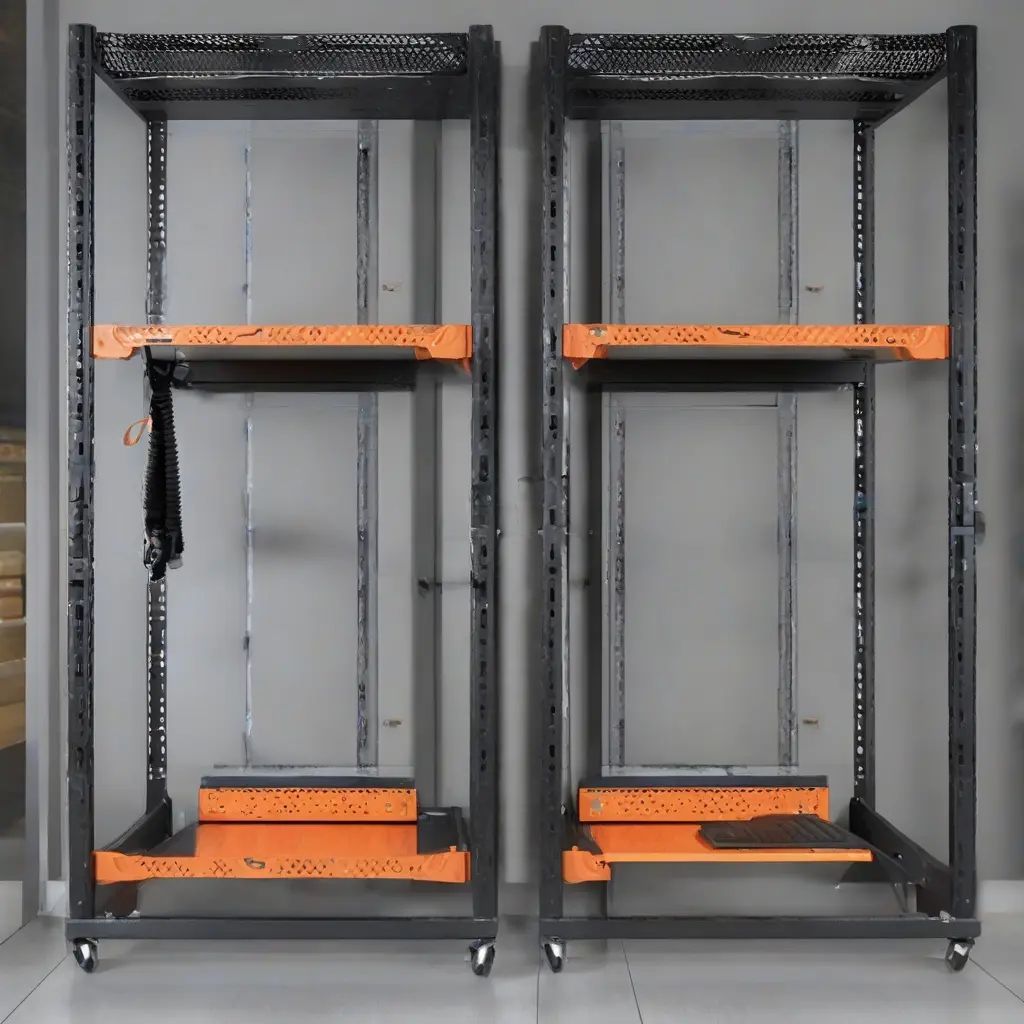
Traditional shelving units generally offer greater storage capacity than floating shelves. With more physical structure and often larger dimensions, these units can hold a wider range of items, from books to decorative boxes. Additionally, traditional shelves can include multiple rows and compartments, making them ideal for organizing various items. This can be particularly beneficial in family rooms, offices, or garages where ample storage is necessary for functionality.
Ease of Access with Traditional Shelving
When it comes to accessibility, traditional shelving has an edge over floating variations. With larger and sturdier designs, traditional shelves make it easier to store and retrieve items, especially heavier ones like books or electronics. The design of traditional shelving allows for more straightforward organization, letting users maximize space while being able to easily see and reach their stored items. This can be particularly advantageous in busy households where quick access to stored goods is often needed.
Durability Factors in Floating vs. Traditional Shelving
Durability is a crucial factor in deciding between floating corner shelves and traditional shelving. While floating shelves can be made from a variety of materials, the weight they can hold often depends on the type of wall mount and anchors used. On the other hand, traditional shelves, with their more robust foundational structure, tend to bear heavier loads over time without sagging or bowing. When deciding which option suits you best, considering the intended load and usage will help you make an informed choice.
Customization Options for Shelves
Customization is another key factor when comparing floating corner shelves and traditional shelving. Floating shelves can often be tailored in terms of size, color, and material to match unique design preferences. This allows homeowners to create more personalized spaces. Traditional shelving is also customizable, but its structure often means that alterations can be less flexible. The ability to personalize either option can significantly impact the overall aesthetic appeal within a room.
Cost Considerations for Each Shelf Type
Cost is an essential consideration when investing in shelving. Floating corner shelves can vary widely in price, depending on the material and design you select, but modern options can be relatively affordable. Conversely, traditional shelving often involves higher costs due to the complexity of construction and materials used. Ultimately, understanding your budget will help you prioritize which type of shelving best meets your needs while maintaining financial feasibility.
Maintenance Requirements of Different Shelves
Maintenance is a vital factor when comparing floating corner shelves and traditional shelving. Floating shelves, due to their exposed materials and mounts, may require more regular cleaning to maintain their aesthetic integrity. Dust accumulation can be more visible on floating designs. In contrast, traditional shelves, while also needing cleaning, might not require intense upkeep due to their more robust structure. Knowing the maintenance commitment you’re willing to undertake can assist in the decision-making process.
Environmental Influence on Shelf Selection
Environmental factors can also affect your choice between floating and traditional shelving. For instance, regions with high humidity can be detrimental to floating shelves, especially if the materials are not adequately sealed. Traditional shelving, built with more substantial materials, might stand up better against environmental wear and tear. Assessing the climate of your home can provide insight into which option would prove more durable and long-lasting.
Conclusion
Both floating corner shelves and traditional shelving have unique pros and cons that can greatly influence your home organization and decoration. Floating shelves offer space-saving and modern aesthetic benefits, while traditional shelving provides better storage capacity and accessibility. Evaluating your priorities in terms of aesthetics, functionality, and maintenance will help you make the best choice for your living space.