Choosing the right material for wall-mounted racks can greatly influence their functional and aesthetic appeal. There are several available materials, each catering to different needs and preferences. Selecting the best option involves considering factors such as durability, weight capacity, and design. This comprehensive guide will explore the most popular materials used for wall-mounted racks, their advantages, disadvantages, and suitability for various applications, ensuring that you make an informed decision for your space.
Wood: A Classic Choice
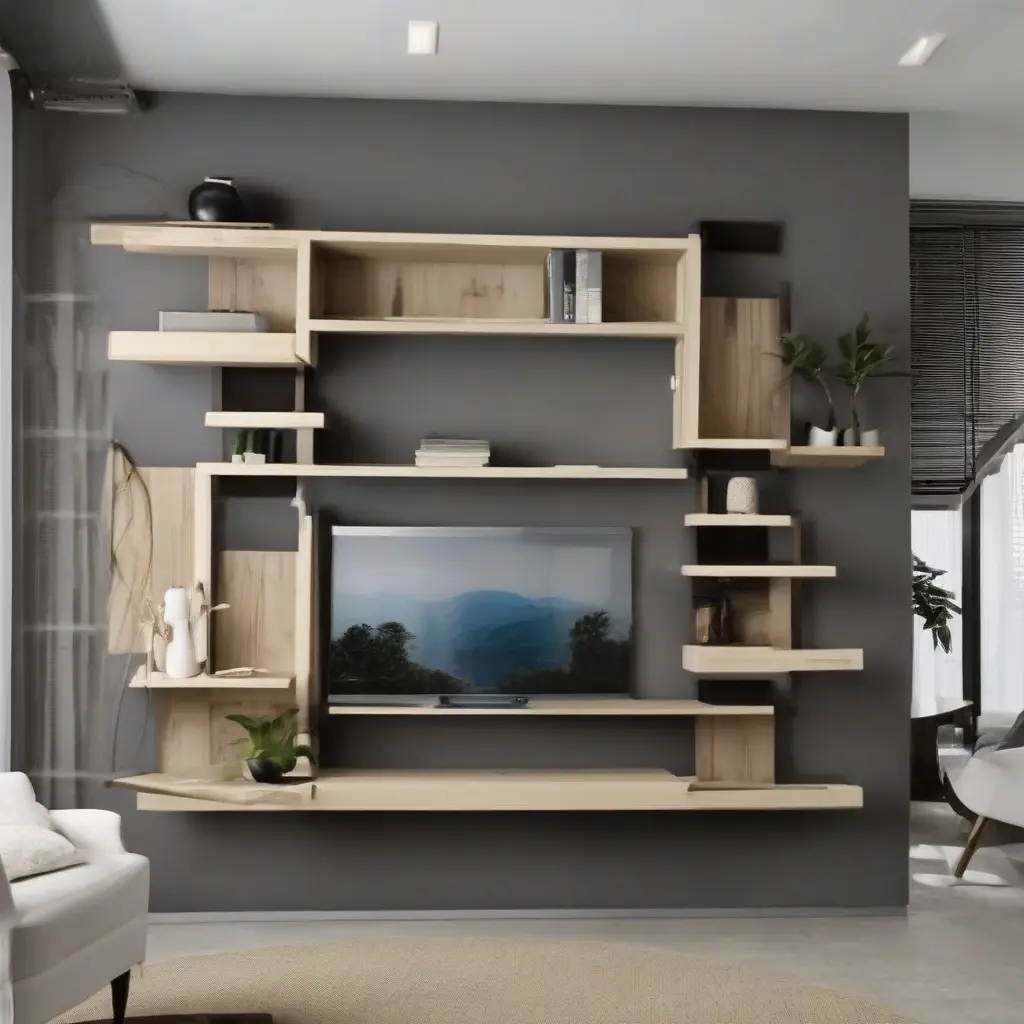
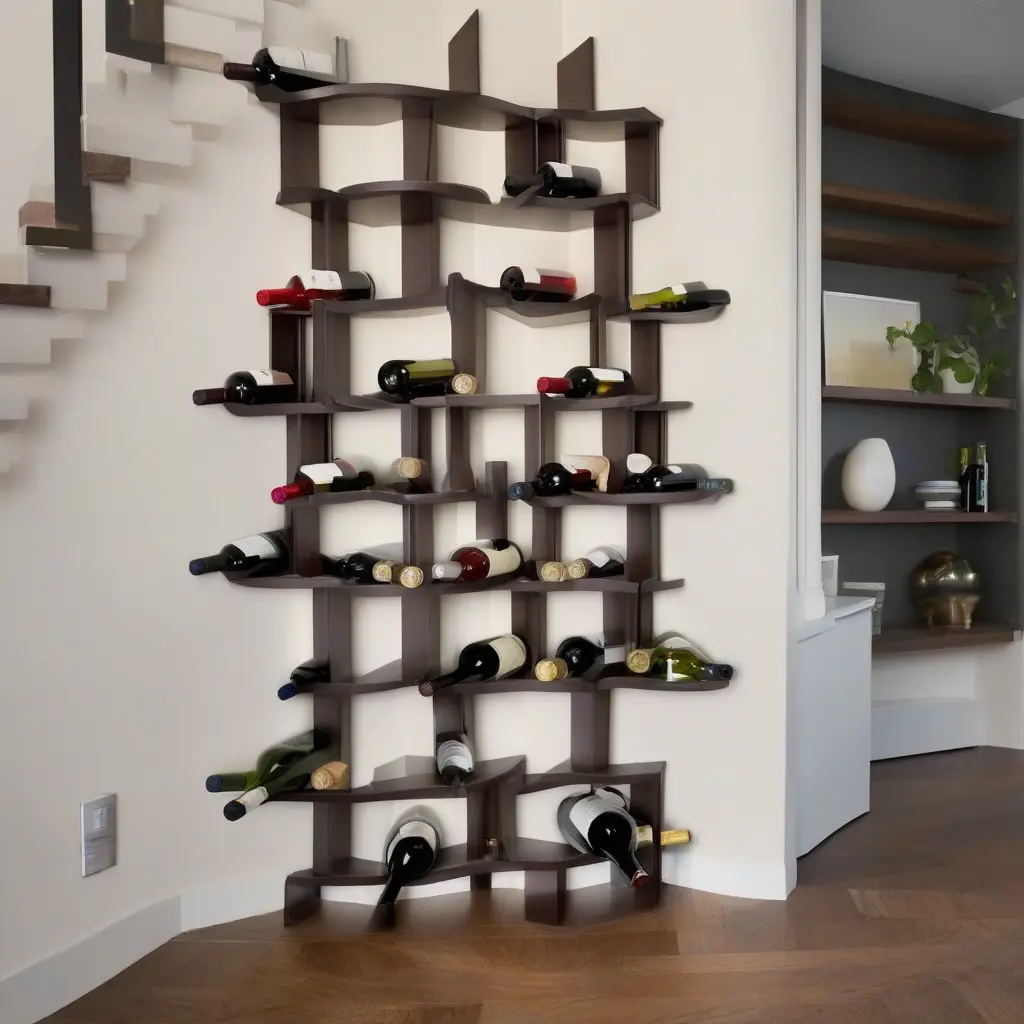
Wood is a timeless material that adds warmth and character to any space. Available in various types, such as oak, pine, or birch, wooden racks offer both strength and style. They can be easily customized to fit any interior design theme, whether rustic, modern, or traditional. However, wood requires proper maintenance to prevent warping or damage from moisture. When choosing wooden racks, ensure they are treated and sealed appropriately for long-lasting durability.
Metal: Strength and Stability
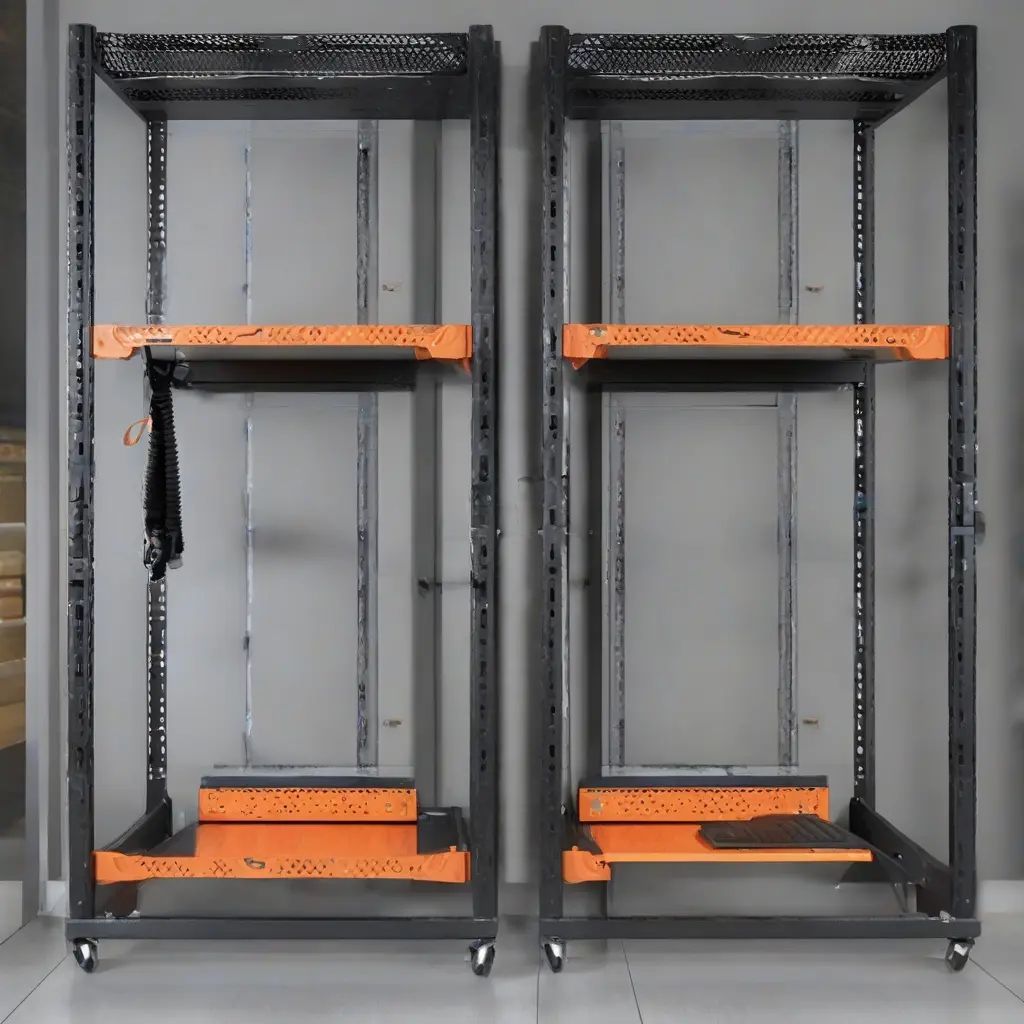
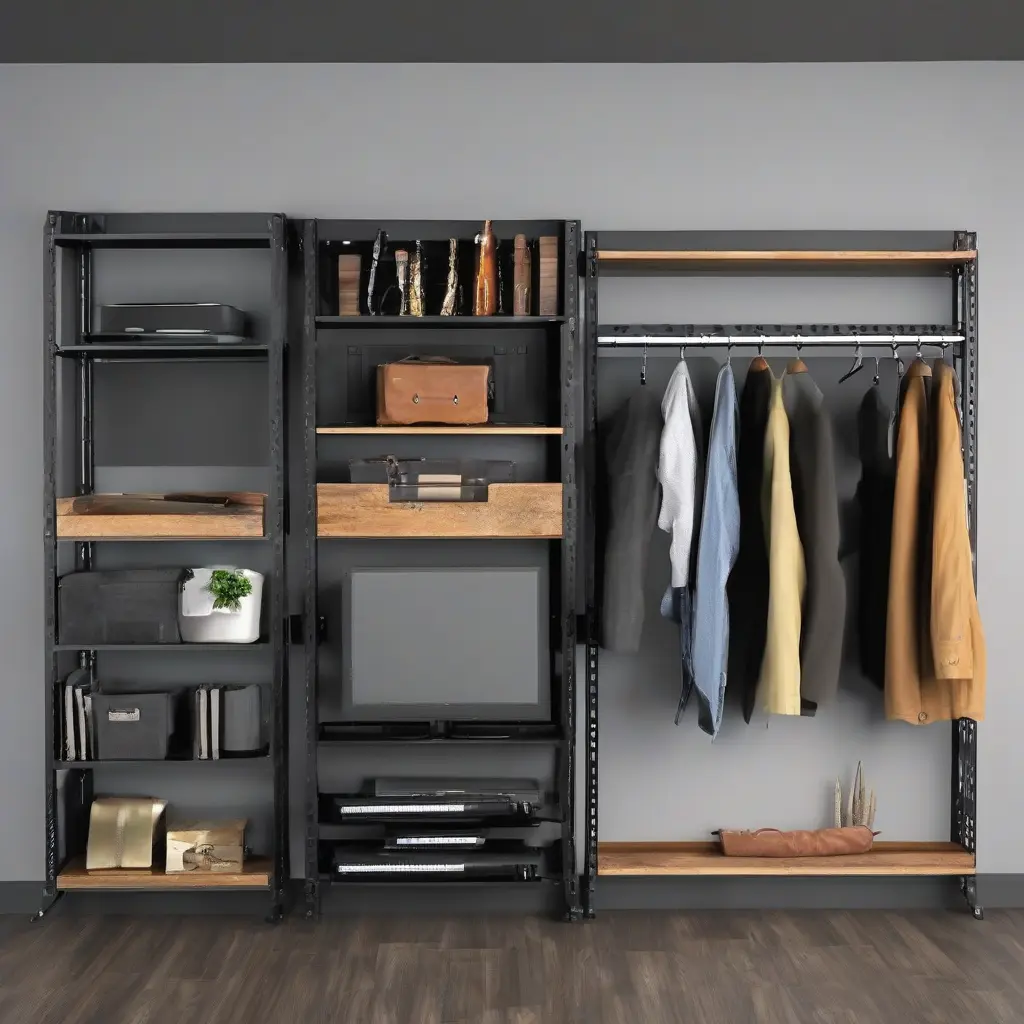
Metal wall-mounted racks, often made from steel or aluminum, provide exceptional strength and stability. They can carry heavier loads compared to other materials, making them ideal for tools, equipment, or bulky items. Additionally, metal racks are typically resistant to rust and corrosion when treated correctly, ensuring a long lifespan. The sleek, industrial look of metal racks can also enhance contemporary décor but may not suit every aesthetic. Therefore, assess your design preferences before making a choice.
Plastic: Lightweight and Versatile
Plastic wall-mounted racks are popular for their lightweight and versatile nature. They come in various colors and designs, making them suitable for children’s rooms, kitchens, or garages. Although generally less durable than wood or metal, high-quality plastic options can still offer decent strength and resist wear and tear. Their resistance to moisture makes them perfect for humid environments. However, it’s essential to choose sturdy plastic to avoid bending or breaking under weight.
Glass: A Modern Touch
Glass wall-mounted racks can add a modern and sophisticated aesthetic to any space. Typically used in living rooms or display areas, glass offers a sleek appearance and allows for easy visibility of items. However, glass racks require careful handling and installation, as they are more susceptible to breaking or chipping. It’s crucial to choose tempered glass for enhanced safety and durability. While they may not support heavy items, glass racks excel in showcasing decorative pieces.
Composite Materials: Blending Strength and Style
Composite materials combine different substances, such as wood fibers and plastics, to create durable and lightweight options for wall-mounted racks. These materials are engineered for strength while also providing aesthetic appeal. Composites often resist moisture and pest damage better than traditional wood, making them versatile for various settings. Selecting high-quality composite racks ensures that you benefit from strength without sacrificing style. They are suitable for a wide range of applications, from home to commercial use.
Factors to Consider When Choosing Material
When selecting the best material for wall-mounted racks, consider factors such as weight capacity, environmental conditions, aesthetics, and maintenance. Assess the items you plan to store and choose a material that can support their weight without compromising safety. Also, think about the humidity and potential exposure to moisture, as some materials perform better than others in such conditions. Lastly, align the choice with your interior design style to create a cohesive and pleasing look.
Installation Tips for Wall-Mounted Racks
Proper installation is crucial for the safety and effectiveness of wall-mounted racks, regardless of the material. Ensure that you use the correct hardware for the material and weight being supported. It’s often advisable to mount racks into wall studs for stability, using anchor bolts or screws specifically designed for wall type. Always follow manufacturer instructions for installation to prevent accidents. Additionally, regularly check the rack for any signs of wear or loosening to maintain safety over time.
Maintenance Best Practices
Maintaining wall-mounted racks is essential for preserving their functionality and appearance. For wooden racks, regular dusting and periodic sealing can help prevent damage from moisture and pests. Metal racks may require occasional cleaning to remove rust or dirt buildup. Plastic options typically just need wiping down with a damp cloth, while glass racks should be cleaned with glass cleaner to avoid smudges. Understanding the specific needs of your rack’s material can prolong its life and performance.
Conclusion
Ultimately, the best material for wall-mounted racks depends on your specific needs and preferences. Evaluate factors such as strength, aesthetics, and maintenance requirements before making your selection. By understanding the benefits and drawbacks of each material, you can choose a wall-mounted rack that not only meets your functional requirements but also enhances the overall look of your space.