Storage holders come in a variety of materials, and understanding the pros and cons of each can help you choose the best option for your needs. From plastic to wood and metal, each material offers unique benefits and potential drawbacks. In this article, we will explore the different materials used in storage holders, evaluating their durability, cost-effectiveness, environmental impact, and functionality. By the end, you will have a comprehensive understanding of what each material brings to the table and how to make an informed choice.
Plastic Storage Holders: Pros and Cons
Plastic storage holders are highly popular due to their lightweight nature and affordability. They come in various shapes and sizes, making them versatile for different storage needs. One significant advantage is their resistance to moisture and chemicals, making them ideal for storing items in damp environments. However, plastic can be less durable than other materials and may warp or crack over time, especially with heavy use. Additionally, concerns about environmental sustainability arise since many plastics are not biodegradable.
Wooden Storage Holders: Benefits and Drawbacks
Wooden storage holders provide a classic and aesthetically pleasing option for organizing items. They offer strength and durability, capable of handling heavier loads without warping or breaking. Furthermore, wood can be treated or painted to match interior decor, adding a decorative element. On the downside, wooden holders may be more expensive than plastic alternatives and can require regular maintenance, such as polishing or sealing, to prevent deterioration over time, especially in humid conditions.
Metal Storage Holders: Advantages and Disadvantages
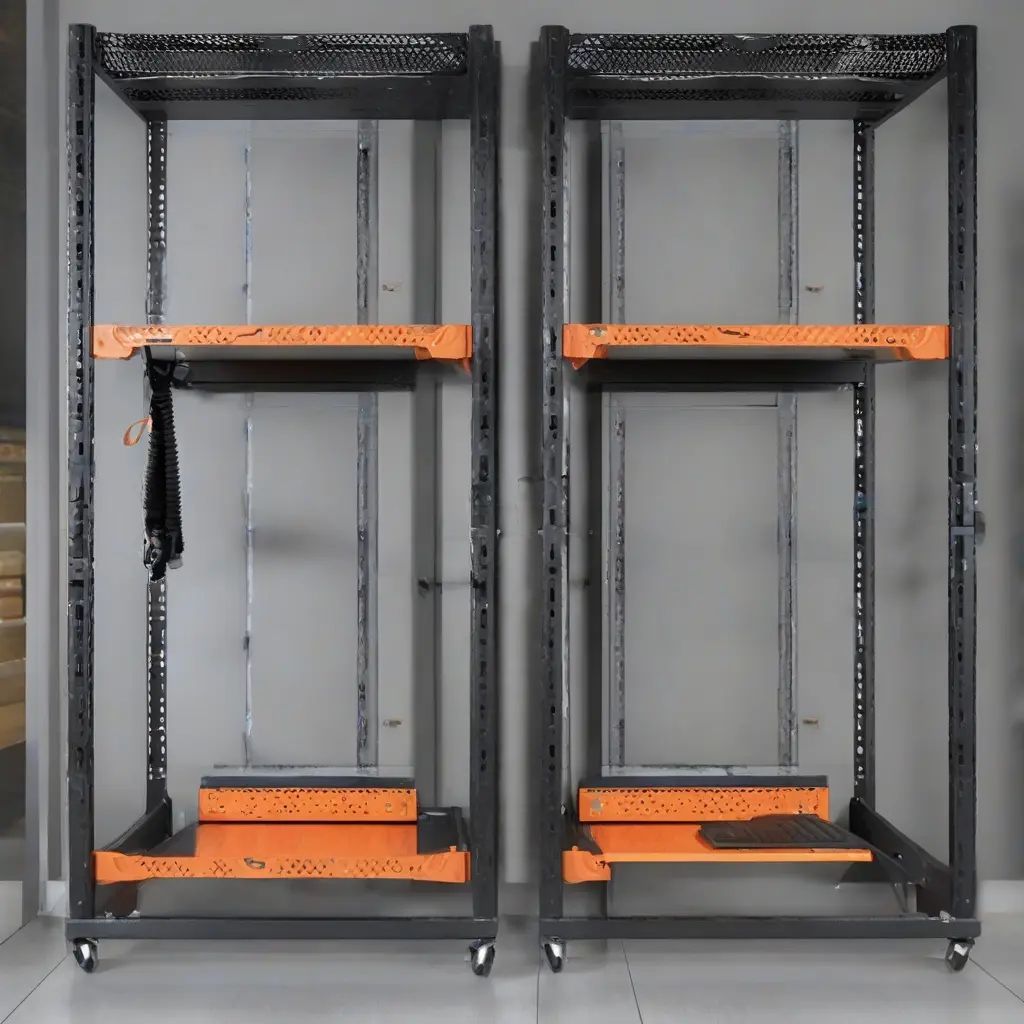
Metal storage holders are known for their strength and longevity. They are highly durable and can withstand significant weight, making them ideal for industrial or commercial settings. Their resistance to punctures and damages is another appealing quality. However, metal can be prone to rust and corrosion, especially in wet environments, unless treated with protective coatings. Additionally, metal options may be heavier, making them less portable compared to plastic or wood solutions.
Fabric Storage Holders: Pros and Cons
Fabric storage holders offer a flexible and lightweight alternative to traditional materials. Often made from canvas or polyester, they are designed for breathability and can help prevent dust accumulation. One of the key advantages is their portability, as many fabric solutions are collapsible and easy to store when not in use. However, fabric holders typically lack the structural integrity of plastic, wood, or metal options and may not be suitable for heavy or sharp items, which can lead to tears or damage.
Cardboard Storage Holders: Benefits and Challenges
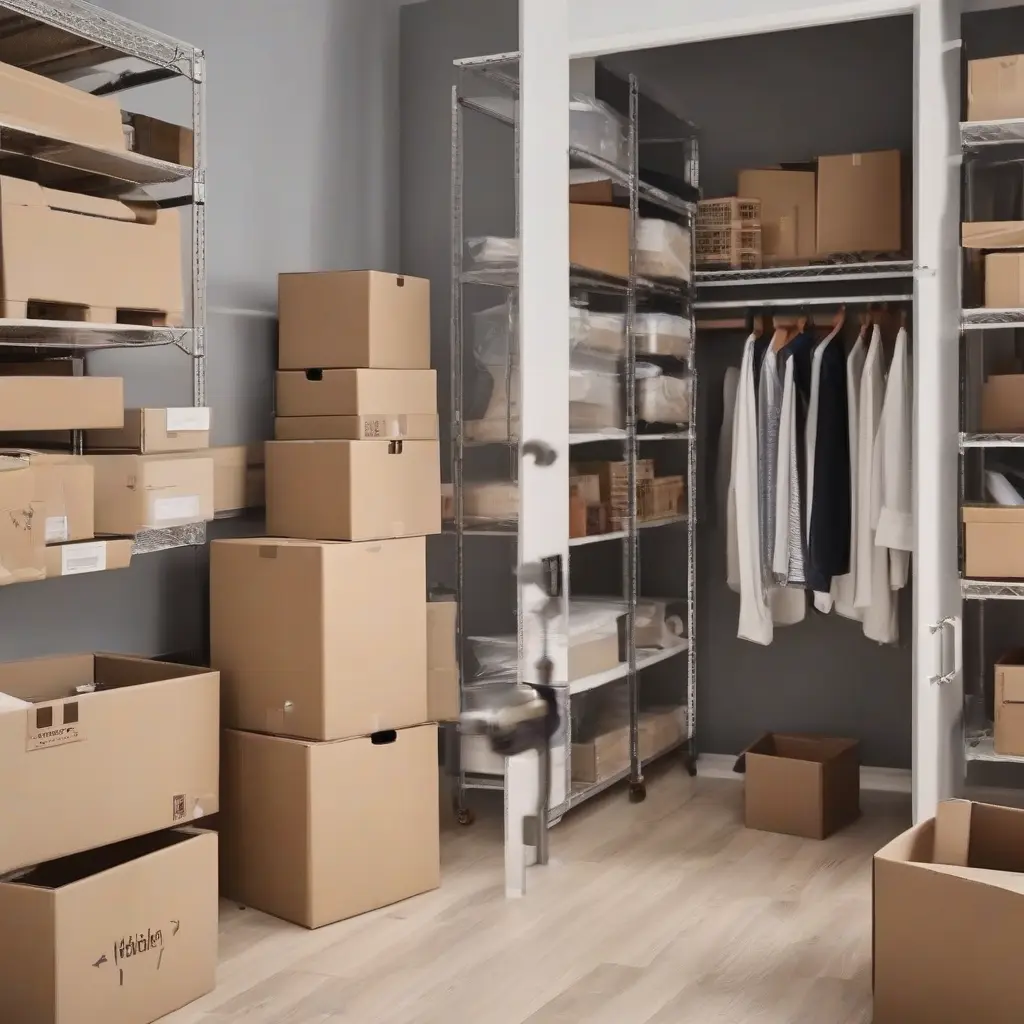
Cardboard storage holders are an economical and eco-friendly choice, often used for temporary storage solutions. They are lightweight and easily customizable, making them perfect for labeling and organizing items. While cardboard is recyclable and biodegradable, it lacks durability and is not waterproof, which can lead to deterioration in a humid environment. Consequently, they are best used for lightweight items and in conditions where moisture exposure is minimal.
Hybrid Storage Holders: Combining Materials
Hybrid storage holders are innovative solutions that combine different materials to blend their advantages. For example, a hybrid model might incorporate plastic drawers within a wooden frame, offering both the aesthetic appeal of wood and the practicality of plastic. Such combinations can enhance overall functionality, allowing for versatile use in various settings. However, the complexity of hybrid designs may lead to increased costs and potential difficulties in recycling, depending on the materials combined.
Choosing the Right Material for Your Needs
Selecting the appropriate material for storage holders depends on several factors, including the intended use, environmental conditions, and aesthetic preferences. For items that need to be stored in moist environments, plastic or metal may be preferable. In contrast, wooden holders are ideal for adding warmth to living areas. Considerations about weight capacity should also influence your choice to ensure optimal functionality. By evaluating your specific needs, you can make a decision that balances cost, durability, and style.
Environmental Impact of Storage Holder Materials
The environmental impact of storage holder materials varies significantly. Plastic, although widely available and durable, contributes to long-lasting waste in landfills and oceans. On the other hand, wood can be sustainable if sourced from responsible forestry practices. Metal, while more durable, often has a significant carbon footprint during production. Lastly, cardboard presents a more eco-friendly option, being biodegradable but lacking in durability. Being mindful of these environmental factors can guide consumers toward more sustainable choices.
Maintaining Your Storage Holders
Proper maintenance extends the lifespan of storage holders across all materials. For plastic holders, regular cleaning to remove dirt and debris will help maintain clarity and functionality. Wooden holders may require periodic polishing or sealing to protect against moisture and wear. Metal storage solutions can benefit from rust-resistant coatings to ensure they remain in good condition. Fabric and cardboard holders should be kept dry and stored in a safe place to prevent degradation. A consistent maintenance routine can significantly enhance usability.
Innovative Trends in Storage Holders
The market for storage holders is constantly evolving, with innovative designs and materials emerging. Smart storage solutions that incorporate technology, such as app-controlled organizing systems, are gaining popularity. Additionally, multi-functional storage holders that can transform into furniture or décor items are on the rise, appealing to minimalist lifestyles. Trends toward eco-friendly materials are also influencing manufacturers, driving the development of sustainable options. Keeping abreast of these trends can aid consumers in making informed purchasing decisions.
Conclusion
Understanding the different materials used in storage holders is crucial for making informed choices that suit your specific needs. Each material has its own set of pros and cons, from durability to environmental impact. By considering the intended use, maintenance requirements, and aesthetic preferences, you can select the ideal storage solution that balances functionality, style, and sustainability. Awareness of innovative trends and eco-friendly practices also contributes to responsible decision-making in storage solutions.