Selecting eco-friendly storage holders for your home is an impactful way to enhance organization while making conscious choices for the environment. As people increasingly focus on sustainability, it becomes essential to understand how various materials and designs align with eco-friendly principles. With this guide, you’ll discover expert tips for selecting storage options that not only keep your space tidy but also contribute positively to the planet. From evaluating materials to understanding the importance of aesthetics, these insights will help you make informed and responsible choices.
Identifying Eco-Friendly Materials
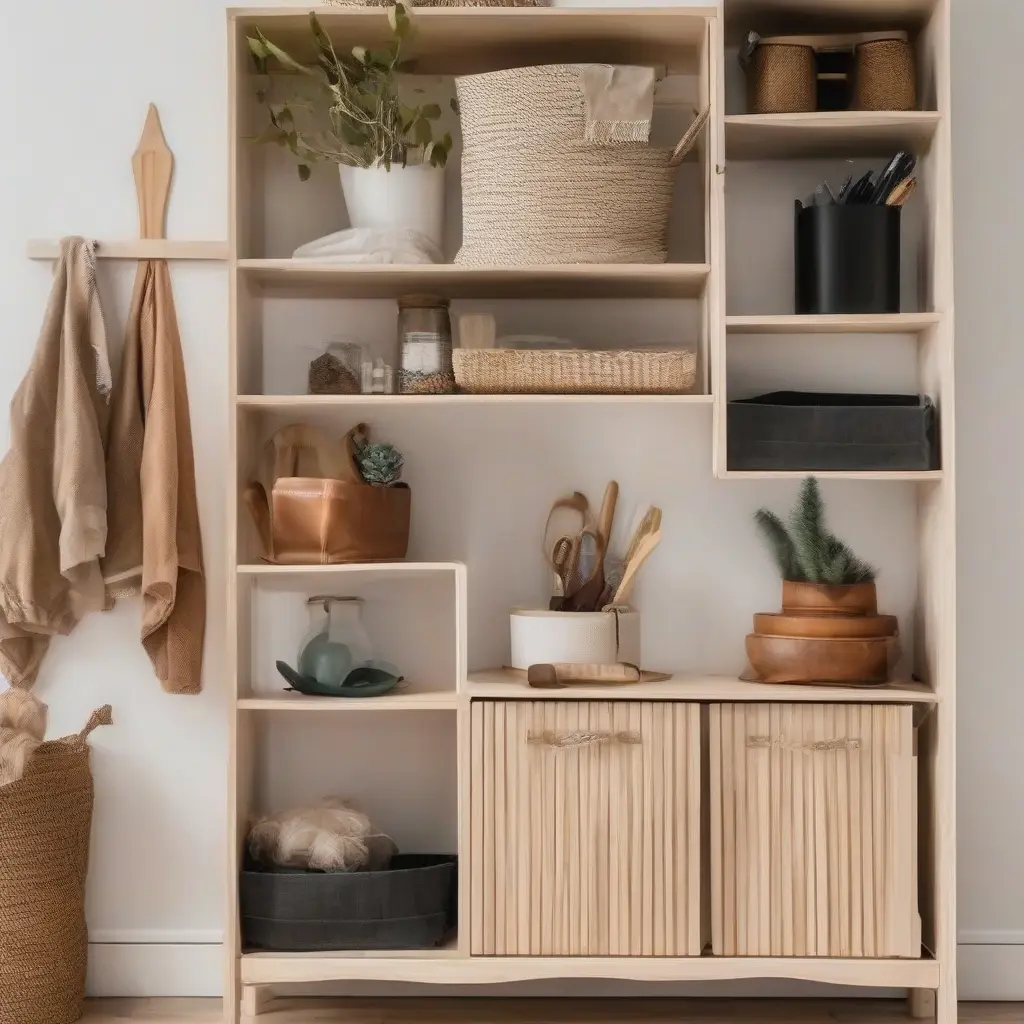
Understanding different materials is key when selecting eco-friendly storage holders. Popular choices include sustainably sourced wood, bamboo, and organic textiles. Bamboo is a fast-growing, renewable resource that is both strong and lightweight, making it an excellent option for various storage needs. Recycled plastics are also eco-friendly, helping to reduce waste by repurposing materials that would otherwise end up in landfills. Similarly, organic cotton ensures no harmful chemicals are present, making it safe for both your family and the environment. Assessing these materials can guide you towards responsible options that do not compromise on durability.
Evaluating Functionality and Purpose
Functionality is a crucial factor to consider when selecting storage holders for your home. Evaluate your specific needs and the items you intend to store, whether they are toys, clothing, or office supplies. Opting for multifunctional designs can stretch your investment further; for instance, storage ottomans can serve as both seating and a place to keep belongings. Additionally, think about how easily accessible your storage will need to be. Prioritizing both practical use and ease of access ensures you select solutions that significantly improve organization while fitting seamlessly into your daily life.
Sustainable Production Practices
The production practices of storage holders greatly influence their overall sustainability. Support brands that implement eco-friendly manufacturing processes, like minimal waste production, energy-efficient practices, and the use of non-toxic materials. Certifications such as the Forest Stewardship Council (FSC) for wood products indicate adherence to responsibly managed forestry practices. This knowledge empowers consumers to choose storage holders that align with sustainable values, ensuring that your purchase is beneficial not only for your home but also for the planet. Researching companies and their practices can guide you in making eco-conscious decisions.
Considering Size and Space Efficiency
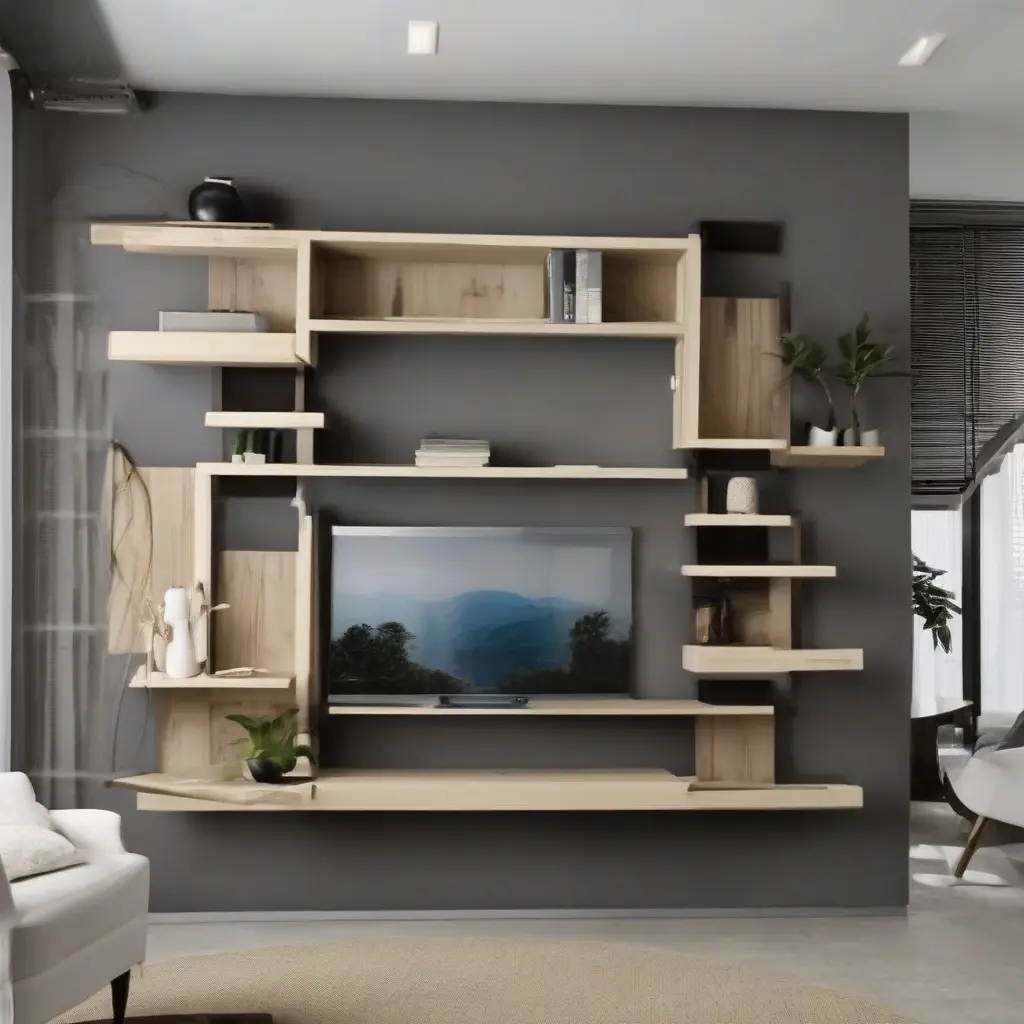
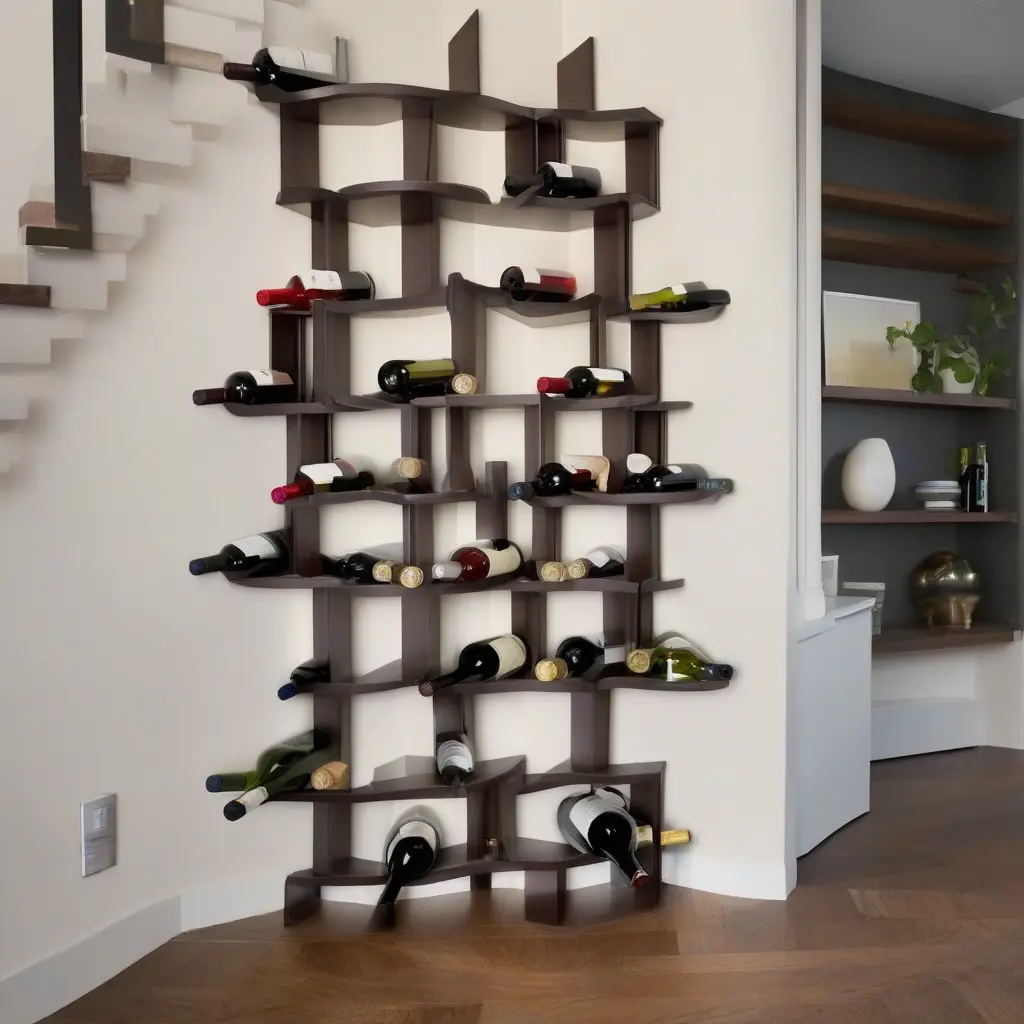
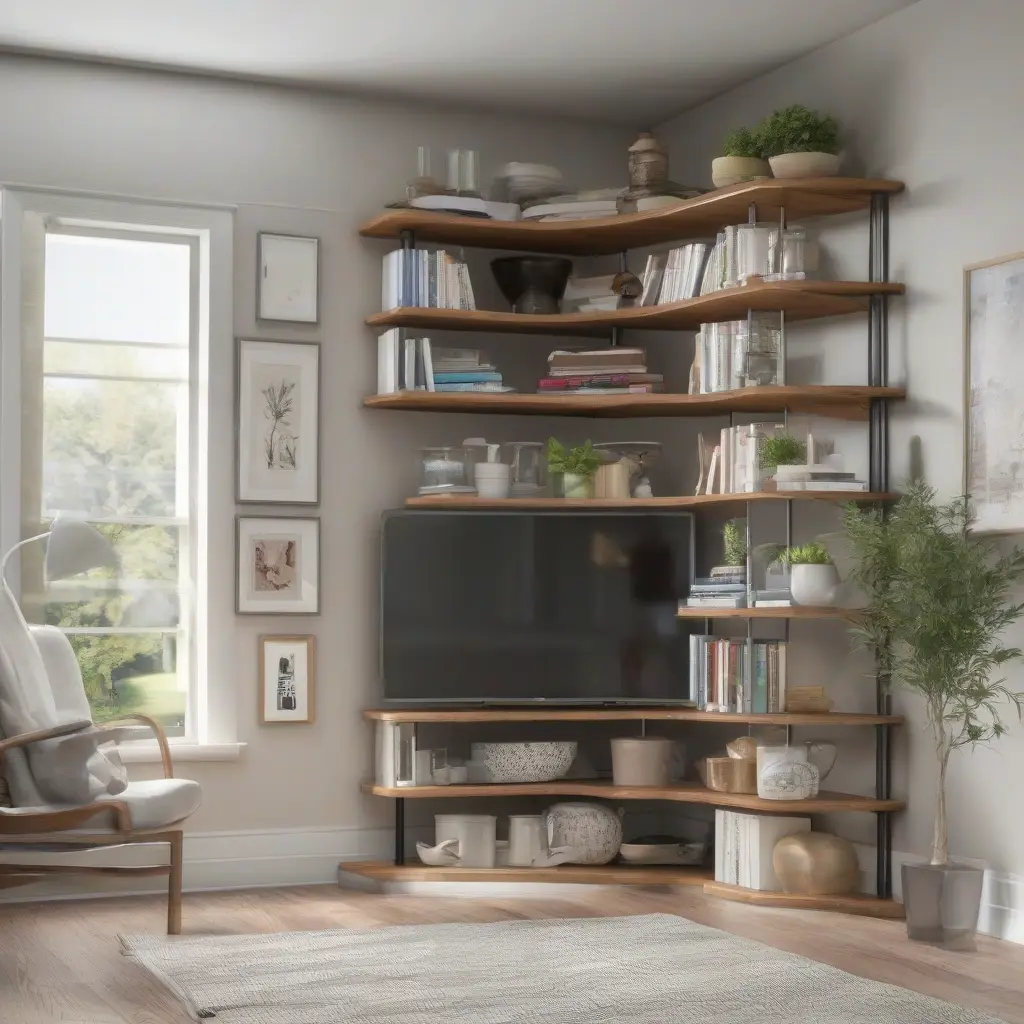
When selecting storage holders, size and space efficiency are paramount. Measure the available areas to ensure your chosen holders fit perfectly without overcrowding. Optimizing vertical space using shelves or stackable bins can maximize storage potential without sacrificing accessibility. Avoid products that are too small, as they can lead to disorganization, or too large, making them cumbersome. Properly considering size will help you create a neat environment while making the most of your available space, transforming even the smallest areas into functional storage solutions.
Design Aesthetics and Home Integration
Aesthetic appeal plays a significant role in the effectiveness of storage holders, influencing how well they integrate into your home’s overall design. Choose colors, textures, and styles that complement your existing decor while ensuring that the holders serve their purpose. Neutral tones and natural materials often blend seamlessly with various interior design themes. Take time to consider the visual impact of your storage choices; aesthetically pleasing options can enhance your space while promoting organization, resulting in a cohesive and stylish living environment.
Durability and Long-Term Use
Durability is an essential consideration when investing in eco-friendly storage holders. Look for products made from robust materials that can withstand daily use without deteriorating. It’s wise to consider options made from heavy-duty plastic or reinforced textiles to ensure they last. You should also assess whether the product can be maintained over time—holders that are easy to clean and care for are more likely to remain in service for a longer duration. By prioritizing longevity, you’ll reduce the environmental impact associated with frequent replacements and contribute to a more sustainable lifestyle.
DIY Eco-Friendly Storage Solutions
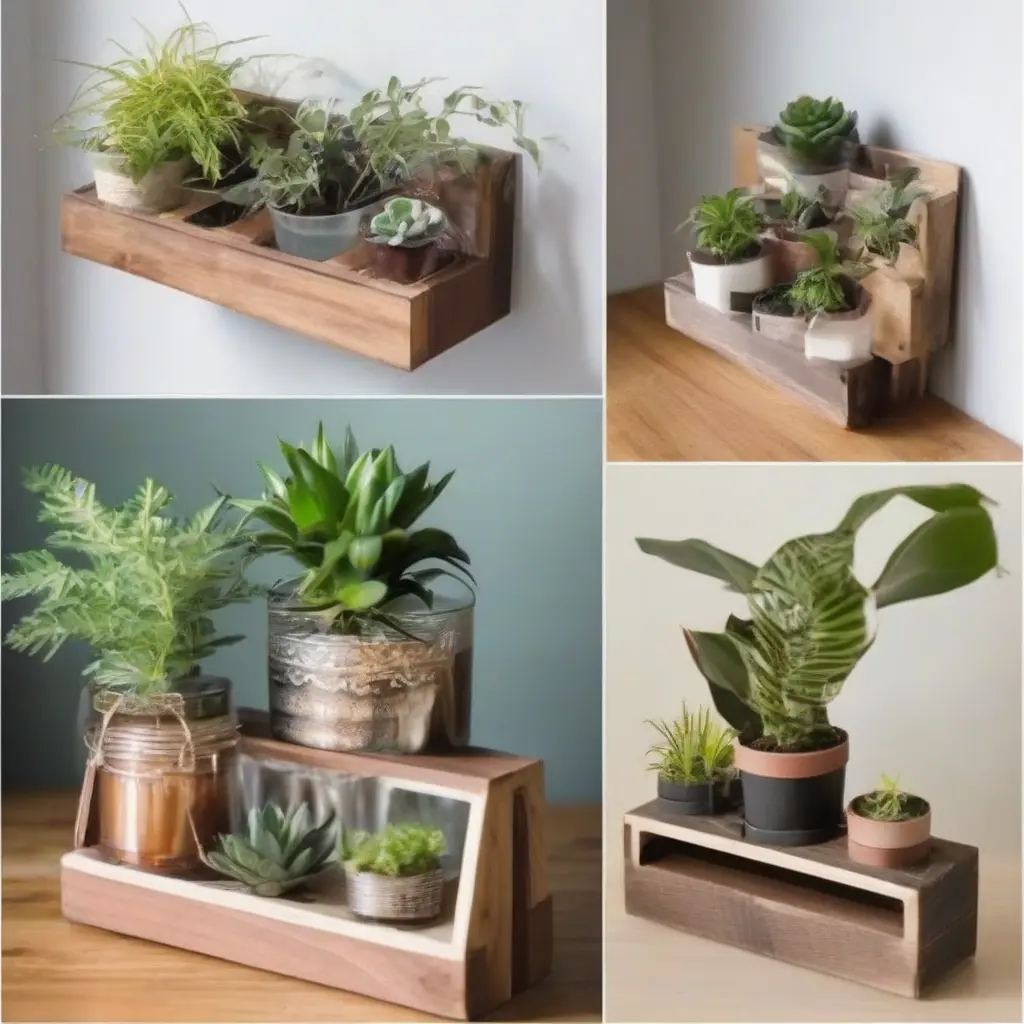
Creating your own eco-friendly storage solutions can be both fun and sustainable. Upcycling items you already own—like old crates, jars, or fabric scraps—can turn waste into useful home organizers. This approach not only saves money but also allows for personalized creativity. For instance, painting or decorating boxes to match your room’s theme can add a unique touch. DIY projects encourage resourcefulness while reducing reliance on mass-produced storage options, making them a fantastic choice for environmentally-conscious consumers looking to infuse personality into their organization techniques.
Budgeting for Eco-Friendly Storage
Budget considerations are crucial when selecting eco-friendly storage holders. Although eco-friendly products may have a higher initial cost, their durability and multifunctionality can lead to long-term savings. Set a budget reflecting your financial capabilities, and focus on quality over quantity. Research various brands and products to find eco-friendly options that align with your spending limits. By investing in well-made storage solutions, you not only enhance your organization strategy but support companies committed to sustainable practices, thus making responsible financial choices along with environmental ones.
Conclusion
In conclusion, selecting eco-friendly storage holders requires a blend of careful consideration regarding materials, functionality, and design. By understanding your needs and evaluating various options based on sustainability, you can create a more organized and environmentally-friendly space. Ultimately, these choices reflect a commitment to a sustainable lifestyle, benefiting not just your home but also the planet. By prioritizing eco-friendly storage solutions, you contribute positively to the environment while enhancing the functionality and aesthetic of your living space.