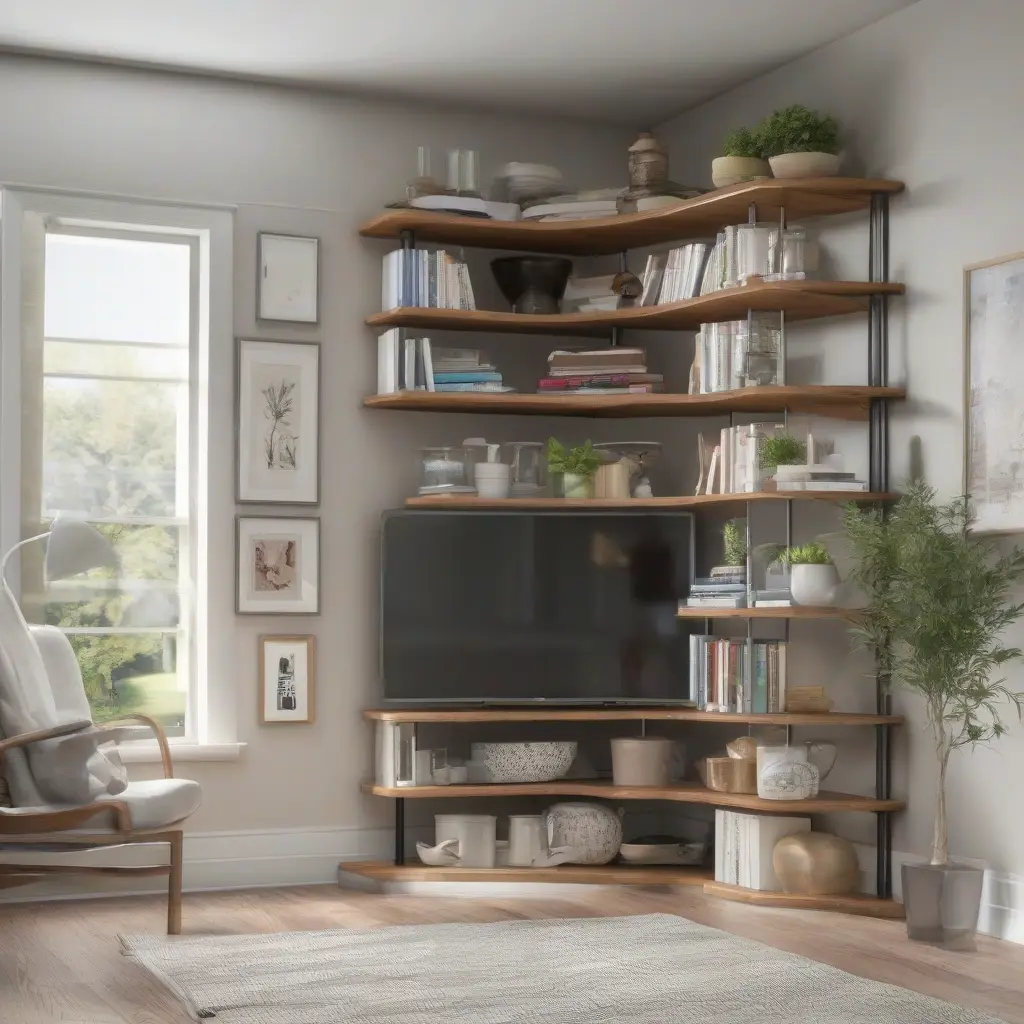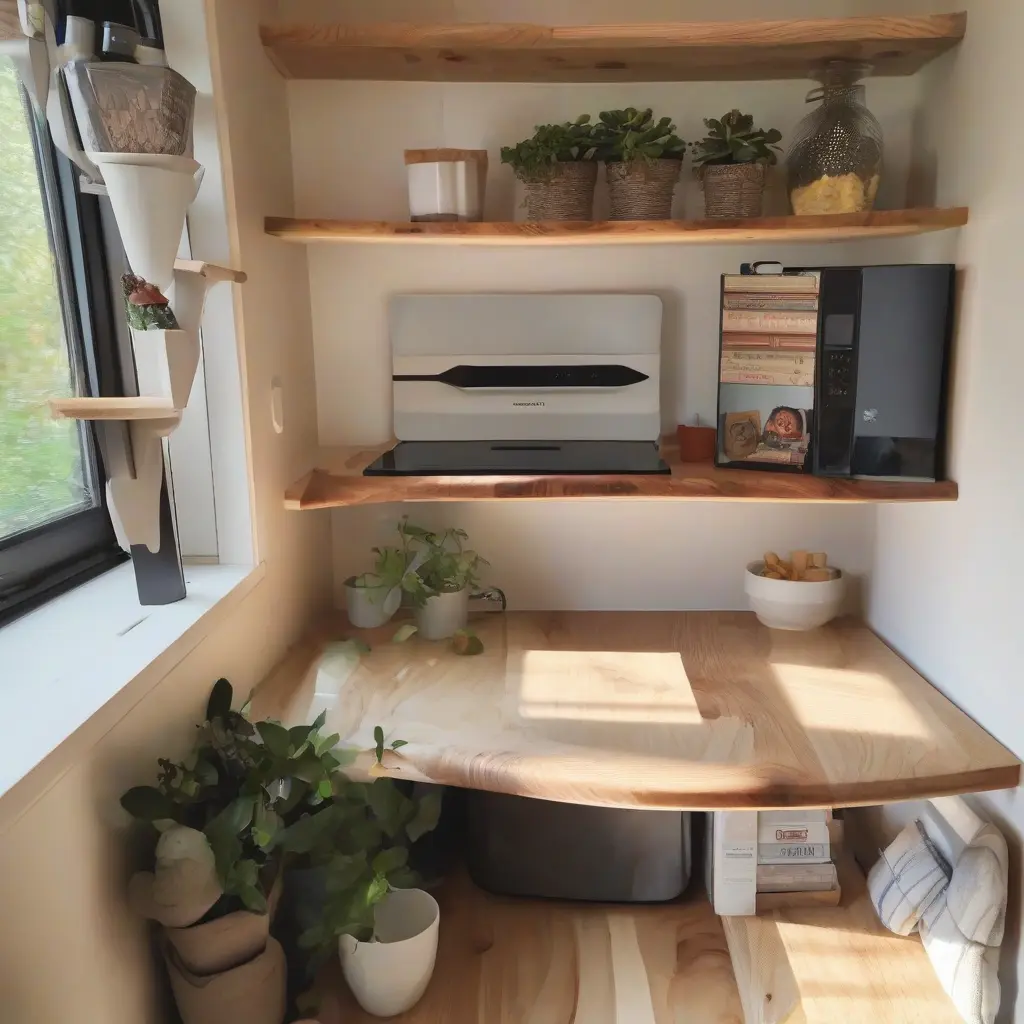
In the quest for maximizing storage in a tiny home, corner shelves emerge as an exceptional solution. These versatile fixtures make use of otherwise wasted space, helping homeowners stay organized while adding aesthetic value. By strategically placing corner shelves, individuals can create additional storage options for books, decorative items, or kitchen supplies without sacrificing floor space. This article explores the benefits and various styles of corner shelves, offering insights on how to incorporate them effectively in compact living settings.
Understanding the Value of Corner Shelves
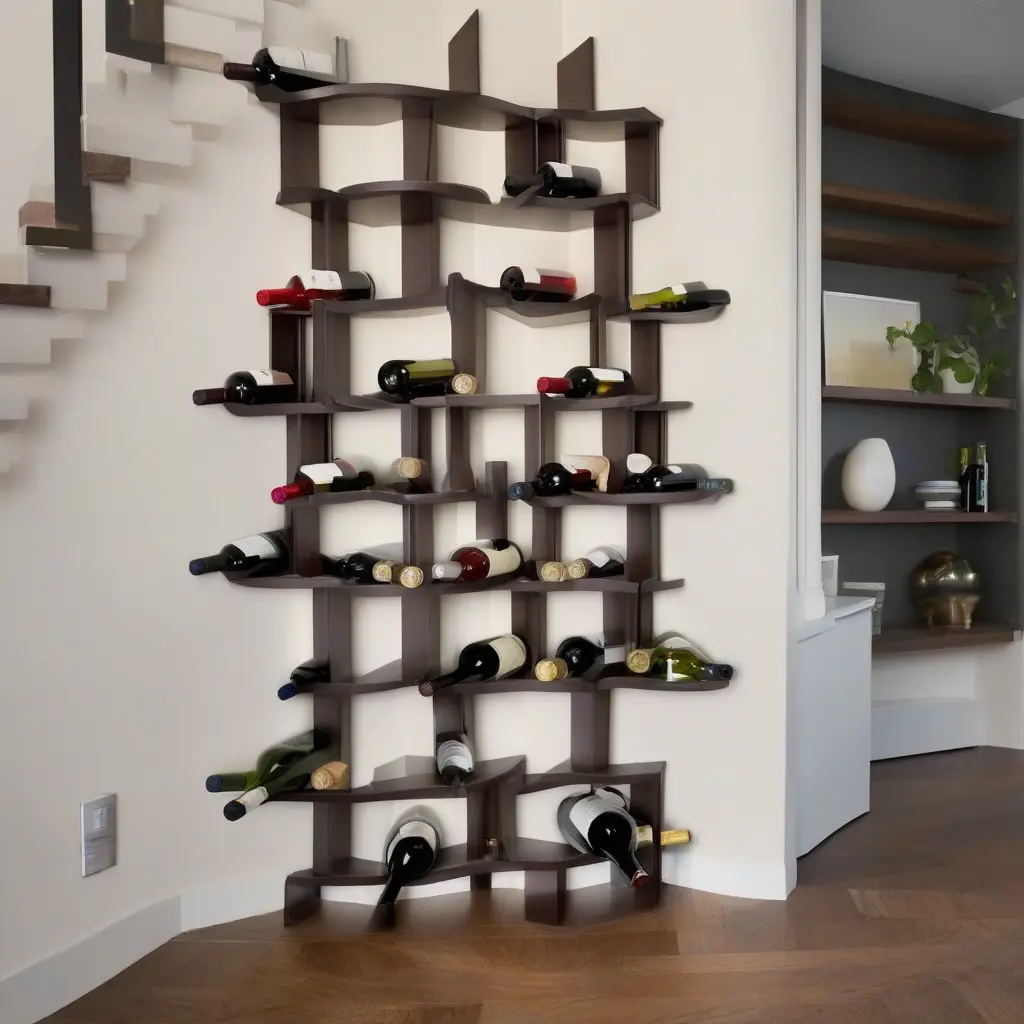
Corner shelves provide a unique advantage in maximizing storage potential, especially in tiny homes where space is limited. They utilize the often-overlooked corners of rooms, providing vertical storage solutions that don’t encroach on living areas. This functionality not only enhances organization but also contributes to a more spacious atmosphere. By elevating items off the floor, corner shelves effectively reduce clutter, making the living space feel larger and more inviting. The integration of corner shelves can significantly transform the utility of any small room.
Types of Corner Shelves Available
When considering corner shelves, various styles are available to match personal aesthetics and needs. There are floating shelves that give a minimalist effect, bracketed shelves that add a classic touch, and corner cabinets that provide enclosed storage. Each type offers different benefits, from showcasing decor to hiding unsightly items. Choosing the right type depends largely on the specific function required and the overall design of the space. Assessing these options can lead to more efficient storage solutions tailored to tiny living.
How to Choose the Right Material
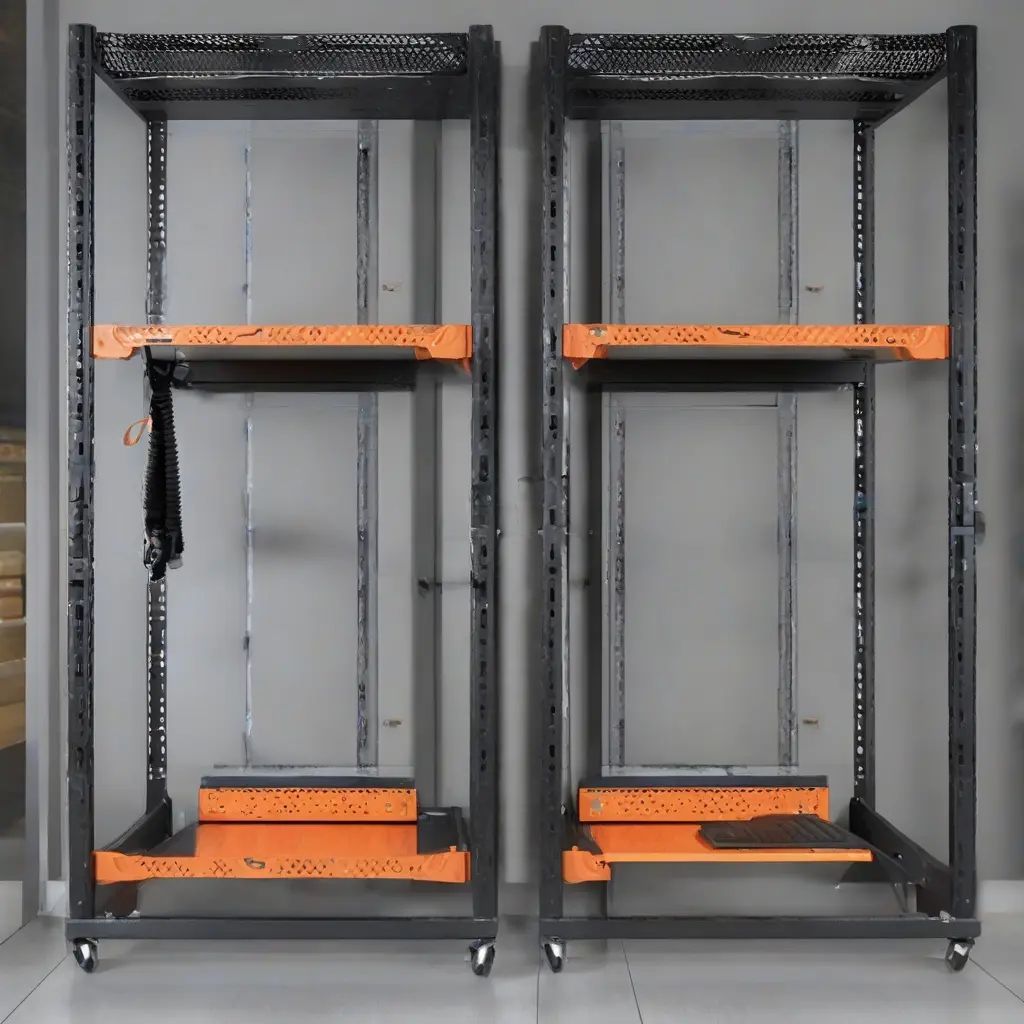
Selecting the right material for corner shelves is crucial to ensuring durability and style. Common materials include wood, metal, and glass, each offering unique benefits. Wooden shelves lend warmth and can be easily customized with paint or varnish, while metal shelves provide an industrial look and superior sturdiness. Glass shelves, though delicate, create an illusion of space, making them perfect for small areas. Assessing the intended use, weight capacity, and aesthetic appeal will guide homeowners in choosing the best material for their corner storage solutions.
Creative Ways to Style Corner Shelves
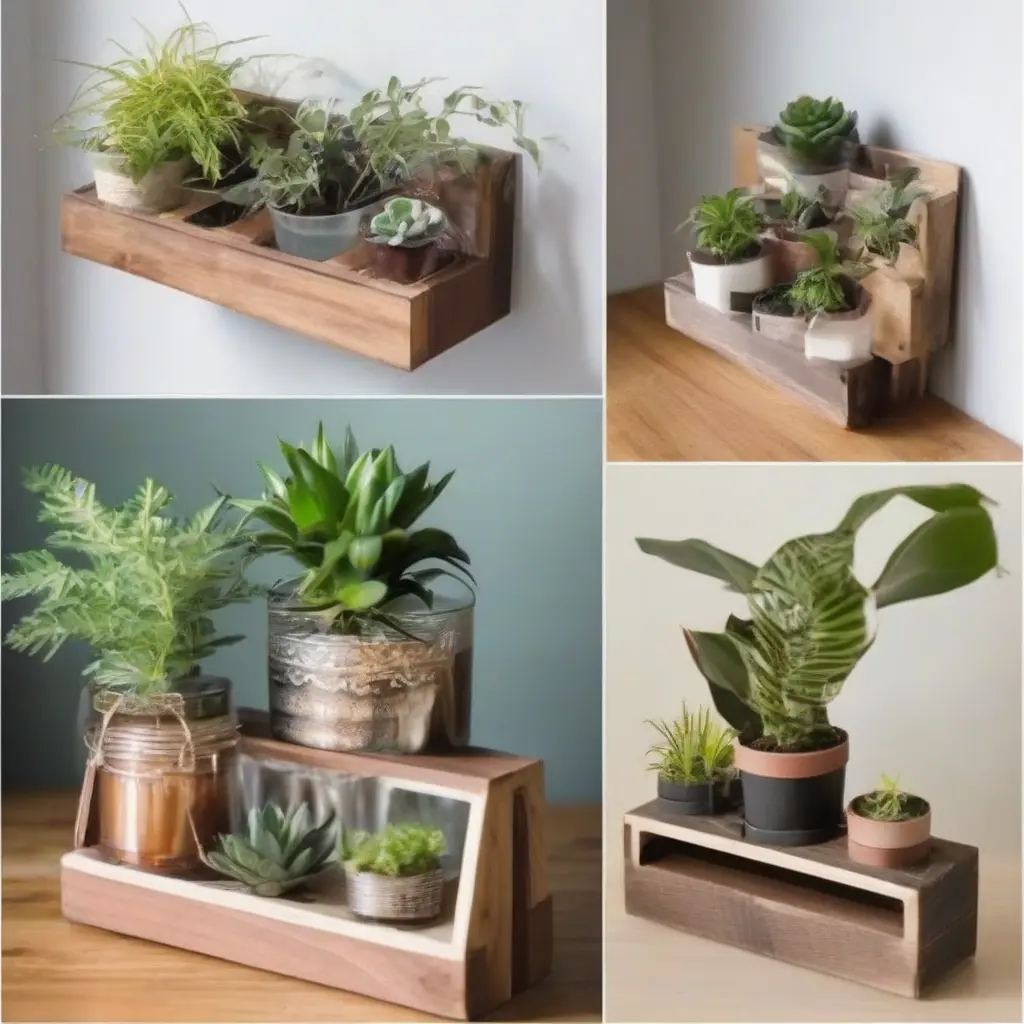
Styling corner shelves creatively can enhance the visual appeal of any tiny home. Consider mixing decorative elements like plants, books, and personal mementos to create a personalized vignette. Grouping items in varying heights adds dimension and interest. Additionally, incorporating lighting can highlight the shelves, making them a focal point in the room. Using a color theme that complements the overall decor can further unify the design, allowing corner shelves to function as both storage and artistic display in compact spaces.
Maximizing Functionality in the Kitchen
In a tiny home’s kitchen, corner shelves can substantially increase storage efficiency. They provide space for spice jars, cookbooks, and kitchen gadgets, keeping essential items within easy reach. Utilizing corner shelves for vertical storage not only frees up counter space but also helps to maintain organization. Incorporating hooks or racks beneath the shelves can further expand functionality, allowing for hanging utensils or dish towels. This simple modification can transform a cluttered kitchen into a well-organized culinary haven.
Optimizing Corner Shelves in Living Spaces
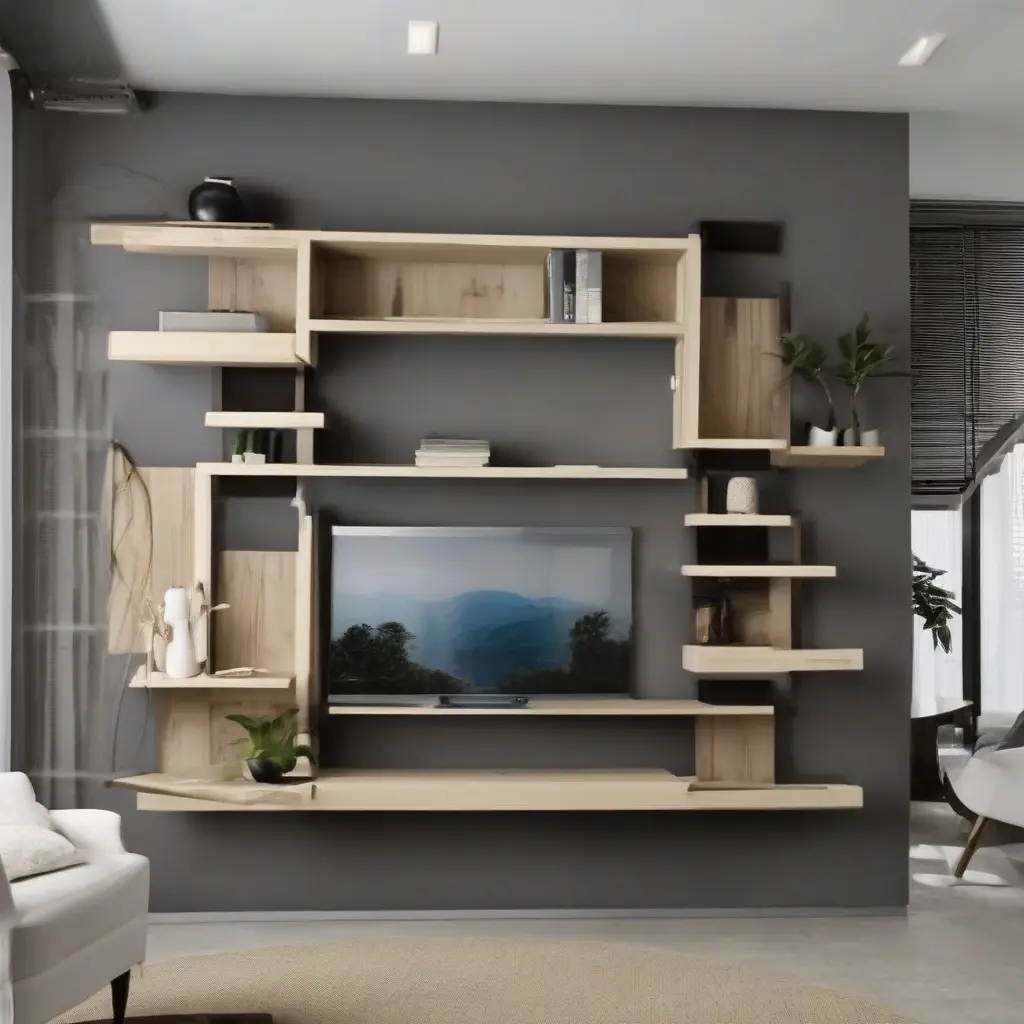
In living areas, corner shelves can serve multiple purposes, such as displaying decorative items or organizing books and electronics. Positioning a corner shelf unit near seating can create an inviting nook, encouraging relaxation and social interaction. Adding baskets or bins provides concealed storage, enhancing both organization and aesthetics. This versatile use helps maintain a tidy environment while adding character to the room. By thoughtfully integrating corner shelves into living spaces, homeowners can achieve better functionality without sacrificing style.
Incorporating Corner Shelves in Bedrooms
In bedrooms, corner shelves are ideal for maximizing space utilization and providing storage for books, decor, or personal items. Using them as nightstands can free up floor space and keep essentials within arm’s reach. Adding a few decorative touches, such as plants or framed photos, can create a cozy atmosphere. Corner shelves can also serve practical functions such as holding alarm clocks or lamps, turning an often-overlooked area into a productive and stylish storage solution. This smart approach helps maintain a serene bedroom environment.
DIY Corner Shelves: A Weekend Project
Creating DIY corner shelves can be a rewarding weekend project for those who enjoy craftsmanship. With basic materials like wood planks and brackets, homeowners can design shelves that fit their specific needs and space. Furthermore, building custom shelves allows for personalization, enabling individuals to choose colors, shapes, and sizes that match their decor. Comprehensive online tutorials are available to guide beginners through the process, ensuring that even those with minimal experience can achieve stunning results. This hands-on approach not only saves money but also infuses a personal touch into the home.
Budget-Friendly Corner Shelf Options
While custom solutions are appealing, many affordable corner shelf options exist that do not compromise on style or function. Retailers offer a diverse range of pre-made shelves that cater to various budgets. Exploring thrift stores or second-hand shops may yield unique finds that can be refurbished for a fresh look. Additionally, online marketplaces often feature budget-friendly alternatives, allowing homeowners to shop conveniently. Budget-conscious individuals can achieve effective storage without overspending, ensuring that maximizing space does not come at a high price.
The Benefits of Open vs. Closed Shelving
When selecting corner shelves, it’s essential to weigh the benefits of open versus closed shelving. Open shelves encourage easy access and visibility, making it simple to grab daily essentials. They also offer an opportunity for decorative displays, contributing to the room’s aesthetic. Conversely, closed shelving units can conceal clutter, creating a sleek appearance. They serve well in kitchens or bathrooms, where sometimes unsightly items need to be stored out of sight. Balancing open and closed shelving in a tiny home can optimize both functionality and visual appeal.
Conclusion
Incorporating corner shelves in a tiny home offers substantial benefits, from maximizing storage to enhancing aesthetic appeal. With various types, styles, and materials available, homeowners can create personalized solutions tailored for their specific needs. Whether used in kitchens, living areas, or bedrooms, corner shelves contribute significantly to better organization and efficiency. With careful consideration of design and thoughtful styling, corner shelves can transform unused spaces into functional and beautiful storage areas.